

The Korean community in Omaha is relatively well-established among inland cities in the Midwest.
According to U.S. Census data and estimates from local Korean organizations, the number of Koreans (including Korean Americans) living in the Omaha metropolitan area is reported to be around 3,000 to 4,000. There are also Korean families in nearby Lincoln and Bellevue, contributing to a larger population throughout Nebraska.
The history of the Omaha Korean community dates back to the 1970s and 1980s. Early Korean immigrants primarily settled in fields such as healthcare, education, and small businesses.
Korean international students and faculty studying or conducting research at the University of Nebraska Omaha (UNO), Creighton University, and the University of Nebraska Medical Center (UNMC) have also become important members of the Korean community. Today, Koreans from various backgrounds, including professionals (doctors, dentists, engineers, professors), business owners, military families, and adoptees, reside in Omaha.
One of the key organizations serving the Omaha Korean community is the Korean American Association of Omaha. The association engages in activities such as fostering friendships among Koreans, supporting new immigrants, and hosting Korean cultural events.
Every year, various cultural events involving the Korean community take place in Omaha, including celebrations for Korean Chuseok and Seollal, sharing Korean food, and cultural performances. Additionally, several Korean churches in Omaha serve as community hubs, continuing various activities such as operating Korean language schools, hosting social gatherings, and supporting new immigrants.
The second-generation Korean and adoptee community is also active in Omaha. Nebraska has historically had a relatively high rate of Korean child adoptions, and activities for adult Korean adoptees seeking their roots and community gatherings are centered in Omaha.
Some second-generation Koreans in Omaha are making their mark in various fields, including local politics, education, healthcare, and law.
Places where Koreans gather in Omaha include Korean churches, areas with Korean markets and restaurants, and venues for Korean American Association events. The southwestern and western parts of Omaha (West Omaha, Millard) have a relatively high concentration of Korean families, and many Korean-related businesses are located in these areas. Although the Omaha Korean community is not large, many members know each other, and it is often said that there is a close-knit atmosphere typical of small local communities.
To find Korean-related services in Omaha, utilizing local Korean church networks, the Omaha Korean Association, and Korean SNS groups (such as Facebook and KakaoTalk group chats) is effective. Newcomers settling in Omaha often receive introductions to Korean-speaking doctors, lawyers, accountants, and real estate agents or obtain local living information through this network. There are active Korean Facebook groups and KakaoTalk chat rooms in the Omaha area, so applying to join through a search is also a good approach.
A representative cultural and educational program connected to the Omaha Korean community is the Korean Language School. Several Korean language schools operate in Omaha, mostly conducting classes on weekends (primarily Saturdays) within Korean churches. These schools teach not only the Korean language but also Korean history, culture, and etiquette, helping second-generation Korean children maintain their language and cultural identity. Some Korean language schools also offer preparation courses for the SAT II Korean exam.
Opportunities to engage with Korean culture in Omaha are becoming increasingly diverse. Thanks to the popularity of K-pop and K-dramas, interest in Korean culture has grown among local residents who are not Korean, and some universities in Omaha also offer Korean language courses. While the Omaha Korean community may be small in size, it maintains its identity through a closely connected internal network and various cultural and religious events.
 MintRunner
 midnightcoasttraveler1958
 CloudPoint
 PiratePopcorn




 Another Eden Channel BLOG |
 Victory 1988 |
 Smile Face |
 Helpful Life Stories |
 Casa Mia |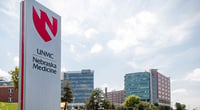
 lunexa |
 Nebraska Center Director TOP |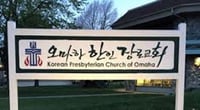
 Gold Bar |
  Banana Style Life |
  Tesla X |
  Old English |
  urbanmint |
  forestcloud |
  forever young |
  Arlington house |
  liquid asset |
  Who's watching? |
  eclipse |
  quietwave |
  Hajiwon Blog Hair Salon |
  hoosierdaddy |
  saffronroute |
  korvex93 |
  Mini Mee |
  Darnignac |
  vanilla |
  selvon |