
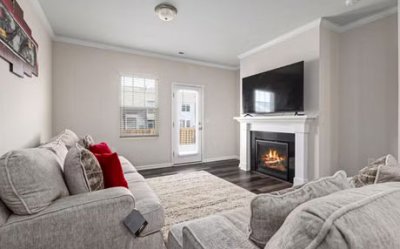
Following the case of a family moving to Nashville from another state, looking for a 2-bedroom within a budget of around $2,000, it is often heard that while it was difficult to find the desired square footage in new downtown developments, they were able to find much larger spaces within the same budget by looking at established neighborhoods a bit further out.
According to Zumper data, the average rent in Nashville in 2026 is expected to range from $1,847 to $1,975, with some variation in the data, while a 1-bedroom averages $1,674 and a 2-bedroom is around $2,046. In popular areas like downtown, where new builds are concentrated, luxury developments can exceed $1,900 to $2,200, whereas established areas further from downtown tend to have lower average prices.
In recent years, Nashville has seen a significant increase in new construction. The construction boom, which peaked in 2024, is expected to continue until 2025, leading to a phase where supply is absorbed by the market. According to NorthMarq analysis, while rents for Class A new builds have remained relatively stable, there is a trend of decreasing rents for Class B and C established properties.
This family noted that the latest insulation and smart home features in new developments help keep management costs low, and the construction warranty reduces concerns about initial defects. However, the HOA and management fees were set higher than expected due to amenities like a pool, fitness center, and concierge services.
On the other hand, in established neighborhoods, they were able to secure a larger space with lower management fees, but they had to confirm with the homeowner that plumbing and roof repairs would be needed as the building was over 20 years old. However, the established schools, grocery stores, and public transportation access were significant advantages.
For Korean families, it is advisable to refer to GreatSchools ratings for preferred school districts, but since district boundaries change frequently, it is recommended to verify the assigned school for the specific address before signing a lease. The lack of state income tax in Tennessee is attractive to families moving from other states, but property taxes and insurance rates can vary by county, so it is necessary to check those separately. For investors, new builds have lower vacancy risks but higher purchase prices, while established homes have lower purchase prices but should factor in repair costs.
This family also considered areas slightly outside downtown, like Franklin or Murfreesboro. These satellite cities have a good reputation for schools, leading to steady inquiries from Korean families, and the mix of new townhouse developments and older single-family rentals offers a wide range of choices. Although commuting times are longer than living in downtown new builds, the ability to find a spacious home with a yard within the same budget was a significant factor for this family.
The final aspect this family confirmed was the total management costs. When comparing the low management fees of new developments and the low rents of established properties, it initially seemed that established homes were more advantageous, but when factoring in heating and cooling costs, the total living expenses showed a much smaller difference. Therefore, it is helpful to consider not just rent but also management and energy costs to gauge the actual burden.
In recent years, Nashville has seen a rapid influx of people from other states, leading to rising prices for established homes in good school districts. Therefore, for families with tighter budgets, it may be worthwhile to consider areas with active new construction, even if the school district reputation is slightly lower. New construction areas may not yet have established school reputations, but there are often investments in facilities to accommodate the increasing student population, making them worth watching in the long term.
As in the case of this family, new builds offer management convenience but come with management cost burdens, while established homes are advantageous in terms of space and cost but carry repair risks. Ultimately, the choice may depend on which factors weigh more heavily for the individual. This article is not investment or legal advice, and it is recommended to consult with professionals before making any agreements.
 SunBeatbox
 MelonSearch







 cheesepup |
 breezem |
 yentra |
 virex |
 vexon87 |
 Goroke Geureoke News |
 mapleline |
 U.S. Weather Bureau News |
 swiftlane |
  Springs Korea |
  nixon |
  mini hometown |
  Gleeee |
  MacMorningBlog |
  ASURA |
  Elastico |
  shaket |
  vionoo |
  chocolate |
  Whisper |
  Star Voyager |
  InDiGo |
  Rocky Mountains |
  Whoever It Is, I Don't Know |
  Why Not Me |
  Plastic Rose |
  Rice Shop Uncle BLOG |
  Victory 1988 |
  Gook Rule |