
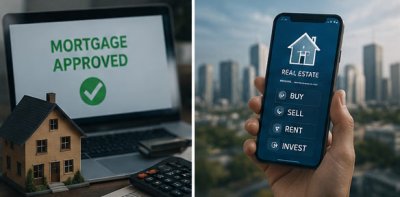
There was a time when simply putting a sign in the yard would attract tenants. Times have changed. Recently, a landlord who listed their property for rent for the first time struggled for days, unsure of where to advertise. It wasn't until they realized that online rental sites have become the standard that they found their direction.
Looking at rental prices, according to RentCafe data, the average rent in Morgantown as of June 2026 is $1,279. A one-bedroom averages $884, a two-bedroom $1,181, and a three-bedroom $1,667. Given that it's near a university, prices can fluctuate depending on the start of the semester, so the timing of your advertisement is also important.
To determine an accurate price, it's best not to rely on gut feelings as in the past. Instead, find four or five comparable properties in the same neighborhood with a similar number of bedrooms and compare them directly. Due to the nature of the university area, prices tend to rise at the beginning of the semester and stabilize during breaks. Setting the rent too high can lead to prolonged vacancies, which may result in greater losses than simply lowering the rent to fill the vacancy quickly.
Advertising on rental-specific sites like Zumper or Zillow Rental Manager is now standard practice. Take bright photos during the day, and clearly state the rent, security deposit, pet policy, and availability date to reduce unnecessary inquiries.
When inquiries come in, don't just rely on first impressions to make a deal; screening is essential. It's standard to check credit scores, income verification, and previous rental history in that order. Many landlords look for income to be at least three times the rent, and it's important to ask previous landlords about any late payment history.
When receiving applications, it's advisable to request a copy of a government-issued ID, recent pay stubs or income verification for the last two months, and contact information for previous landlords. In the past, many landlords made decisions based solely on first impressions, but now it's standard to have documentation in place.
The lease must include the rent amount, payment due date, security deposit, lease term, maintenance responsibilities, and pet policies. In the past, verbal agreements were sometimes sufficient, but now, if it's not documented, it won't hold up in case of disputes.
Signing the lease isn't the end of the process. In West Virginia, landlords are obligated to maintain basic utilities like heating, plumbing, and electricity in working order. Creating a move-in condition checklist with the tenant can help reduce disputes over the security deposit later.
Regarding security deposits, West Virginia has no maximum limit. The return deadline is within 60 days after the tenant moves out or 45 days after a new tenant moves in, whichever is shorter. If the tenant is receiving government rental assistance, this period shortens to 30 days. If this deadline is missed, the landlord may have to pay two months' rent or double the security deposit.
When rent is overdue, West Virginia does not have a requirement for landlords to send a notice before filing a lawsuit. However, most landlords typically send a five-day payment or eviction notice first. It's safer to follow this procedure in case of future disputes.
Specific procedures may vary by county.
If you're moving from another state, it's also good to note that West Virginia's property tax and insurance systems may differ from those in your previous state. Instead of only looking at rental income, consider adding property taxes, insurance, and maintenance costs to calculate the actual profit. Given the nature of university areas, tenant turnover can be frequent, so it's wise to conservatively estimate income while accounting for vacancy periods. As tenant movement has increased, aligning lease renewal dates with the academic calendar can also make finding the next tenant easier.
The information provided here is general, and it's advisable to consult with a lawyer or real estate professional before finalizing any contracts.
 David100won
 InfoUncle







 Sugar Cream Door Bulletproof Noodles |
 urbanmint |
 |
| 
 Premium Gas Camp |
 CA Real Estate |
 Gomex Korea |
 castle |

 |
| 
 churrotop |
  swiftlane |
  allstar realty |
  mystery |
  dermoon |
  UCLA Captain |
  lattecu |
  dynamite |
  frostingline |
  Hakuna Matata |
  Your Curiosity Resolved |
  Way to easy |
  Chino Min |
  nexabyte |
  moonshine 7 |
  Sunset Oregon |
  victoria 68 |
  golfmaster |
  Montgomery Mom |
  squidogame |