
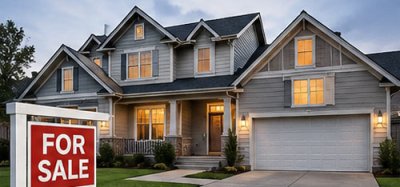
A landlord who first listed a house for rent in Raleigh reportedly set the rent too low based on last year's market rates, only to realize months later that they had lost money after checking the current market. Setting the rent correctly from the start is crucial.
Before determining the rent, it's important to check the condition of the house. Make sure the smoke detectors and carbon monoxide detectors are working, and if there are any repairs needed on the walls or floors, it's best to fix them in advance. If there is an outstanding mortgage, it's wise to confirm with the mortgage agreement whether you need to inform the lender about renting the property. It's also advisable to have plenty of daytime photos ready.
According to Zumper, as of August 22, 2026, the average rent in Raleigh is $1,750. Single-family homes have a median rent of $1,975, while apartments average $1,400, showing significant differences by type. This is 9 percent lower than the national average, but this figure represents the overall average for Raleigh, so actual prices can vary greatly depending on the neighborhood and type of housing. It's important not to skip the step of directly comparing the actual sale prices of properties similar to yours. If you only reference last year's rates or the rent of a neighboring property, as mentioned earlier, you could end up losing money as the market rises. It's also better to decide whether to set the rental period for one year or on a month-to-month basis at this point. In neighborhoods with good school districts, inquiries from families tend to be steady, so checking the assigned schools for the property address can be helpful.
Once you've set the rent, it's time to advertise. List the photos and details on Zillow, Zumper, and Apartments.com, specifying the rent, security deposit, move-in date, and pet policies to filter inquiries effectively. Scheduling showings for multiple interested parties at once can save time, and establishing a principle of reviewing applications in the order they are received can reduce confusion later on.
When inquiries come in, conduct tenant screening. This process involves checking credit scores, income verification, and previous rental history, with many landlords looking for income to be at least three times the rent. It's common to charge a small application fee when receiving applications to cover the costs of credit checks and background investigations. If an applicant is missing documents or is unclear, it's safer to wait for the next inquiry rather than forcing a decision. In a market like Raleigh, where inquiries are plentiful, taking your time and reviewing based on your criteria can actually help minimize losses.
Next, draft the lease agreement. Clearly document the rent amount, payment due date, security deposit amount and return conditions, lease term, maintenance responsibilities, and rules regarding pets and smoking. The essential items to include in the contract are as follows:
- Rent amount, payment method, late fee policy
- Security deposit amount and return conditions
- Lease term and early termination conditions
- Maintenance responsibilities and repair request procedures
Here are some regulations to be aware of in North Carolina. The maximum security deposit varies by lease type: for weekly contracts, it's two weeks' rent; for monthly contracts, it's 1.5 months' rent; and for contracts longer than that, it's up to two months' rent. The return of the deposit is typically within 30 days after moving out, and if damage assessment is delayed, a temporary settlement should be made within 30 days, with a final settlement within 60 days. If rent is overdue, a 10-day eviction notice must be sent before proceeding to the next steps. It's also good to remember that items that can be deducted from the security deposit are limited to actual damages, not normal wear and tear. When renting out a home, homeowner's insurance may not be sufficient, so it's advisable to also consider rental insurance, and rental income is reported separately on tax returns, so keeping receipts for related expenses is wise.
The information covered in this article is for general informational purposes, and it's recommended to consult a real estate attorney before finalizing any contracts. When re-evaluating rent, developing a habit of checking market rates annually can help reduce mistakes like this in the future.
 SunnyPeak87
 vibeworldbuilder1982








 urbanmint |
 |
| 
 Premium Gas Camp |
 CA Real Estate |
 unified |
 Audio Mania World |
 AUTO OK |

 churrotop |
  swiftlane |
  allstar realty |
  mystery |
  dermoon |
  UCLA Captain |
  lattecu |
  dynamite |
  frostingline |
  Hakuna Matata |
  Your Curiosity Resolved |
  Way to easy |
  Chino Min |
  nexabyte |
  moonshine 7 |
  Sunset Oregon |
  victoria 68 |
  golfmaster |
  Montgomery Mom |
  squidogame |