


When calculating property taxes based solely on the price tags of San Francisco listings, it's easy to underestimate the actual burden. This is because, despite the seemingly low tax rate in such a high-priced area, the absolute amounts can be quite significant.
San Francisco is a unique administrative region where the city and county are consolidated. The basic tax rate under Prop 13 is 1 percent, and when city bonds and local assessments are added, the effective tax rate at the time of purchase is reported to be around 1.16 to 1.18 percent. However, due to the high property values, the overall effective tax rate for long-term holders is about 0.65 percent, which is relatively low among major cities in California.
The median home price in San Francisco is around $1.3 million. Applying the 1.18 percent rate results in an annual property tax of about $15,340, but in reality, it often falls within the range of $14,500 to $16,000.
Insurance costs cannot overlook the earthquake risk. With the San Andreas Fault and Hayward Fault nearby, standard fire insurance does not cover earthquake damage. Typical insurance premiums range from $1,800 to $2,200 annually, and adding a California earthquake insurance policy may require an additional $1,000 to $3,000, so it's wise to budget for this separately.
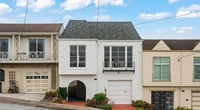
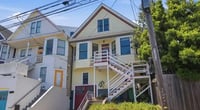
Maintenance costs should be estimated on the higher side. San Francisco has a significant number of Victorian and Edwardian-style homes built between the early 1900s and the 1940s, which often require seismic retrofitting. If you base it on 1.5 to 2 percent of the home price, annual costs can range from $19,500 to $26,000.
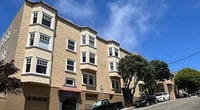
If you choose a condo, you should also factor in HOA fees, which can range from $400 to $700 per month. When you combine these three items with HOA fees, it's not uncommon for the total annual ownership costs to exceed $40,000.
Nearby San Mateo County has similar or even higher home prices, while the Oakland area in Alameda County has relatively lower prices but higher effective tax rates, resulting in a similar overall burden.
If you are a Korean household, it's advisable to apply for the Homeowners Exemption, and if you plan to purchase an older home, be sure to check for seismic retrofitting during inspections and include related construction costs in your maintenance budget in advance.
 AngelicBus
 SquidScooter




 |
| 
 Premium Gas Camp |
 CA Real Estate |
 cheesepup |
 breezem |
 my town K blog |
 Nuchuhan Exploration BLOG |
 Sugar Cream Door Bulletproof Noodles |

 Sirin Solitude and Advancing Hand in Hand |
  The Day the Sun Rises |
  sweetpop |
  California Kangaroo |
  zanero |
  station |
  Static |
  Star Way |
  American Blog Forge |
  MMORPG Games |
  Then you must be spring |
  Spicy Immigration Life |
  zenvor16 |
  The 2000 |
  toclick |
  wexlin84 |
  Hairy Poppins |
  daisypat |
  Taco Bell Candy Note Blog |
  MintO |
  My Town My Way Blog |