

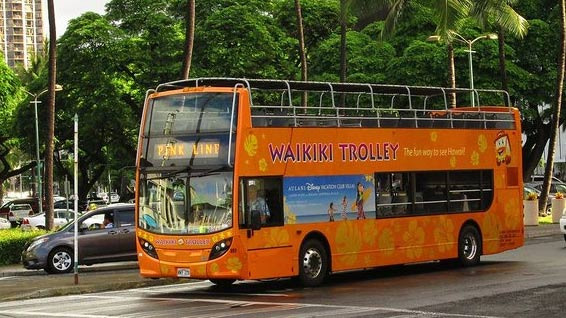
Most first-time visitors to Hawaii say the same thing.
"I knew it would be expensive, but after buying various things here, the prices are much higher than I expected."
Every time you calculate the cost of a cup of coffee, a hamburger, or a gallon of milk, you see a price list that is definitely different from the mainland.
However, many people wonder: Is it because there are so many tourists, or is it just because it's an island?
To put it simply, the main reason for Hawaii's high prices is not tourism, but its geographical structure as an island.
While the tourism industry does drive some prices up, the fundamental reason is that most essential goods must be brought in across the ocean. In fact, Hawaii is considered one of the states with the highest cost of living in the U.S. Recent cost of living indices show that when the national average is set at 100, Hawaii is around 180-185. This means that the cost of living is about 80% higher than the national average.
In particular, the rent and grocery costs that locals pay each month are analyzed as significant factors driving up the overall cost of living.
Grocery prices are also among the highest in the nation. Various studies indicate that grocery prices in Hawaii are about 30-50% higher than the national average, with a gallon of milk often selling for $6-8.Considering that the same product can be purchased for around $4 on the mainland, the difference is quite noticeable. When I went to Texas and saw a gallon for $3.80, I was taken aback.
Moreover, actual price increases are continuing. According to the U.S. Bureau of Labor Statistics (BLS), the food price index in the Honolulu area rose by 4.3% in January 2025 compared to the previous year, and in May of the same year, food prices increased by 5.3%, recording a higher rate of increase than the national average.
So why is it so expensive? The biggest reason is logistics. Most of the food consumed in Hawaii is transported from the mainland U.S. by ship or air.
In fact, many people are unaware of the Jones Act, which stipulates that cargo traveling between U.S. ports must be carried on ships that are built, owned, and operated by Americans. This cartel-like system can also lead to higher transportation costs for certain items.
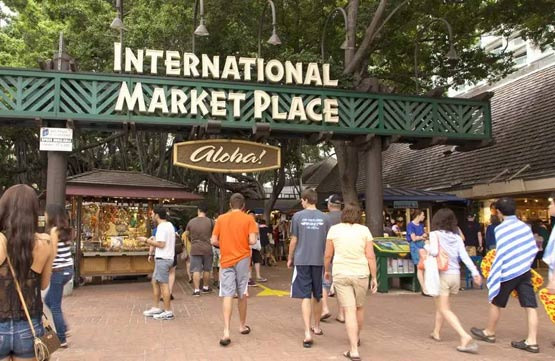
So, do tourists have no impact at all?
There is an impact. However, it is more indirect than direct.
For example, in areas like Waikiki, where tourists flock, the rental prices for commercial spaces are very high. Restaurants and convenience stores must cope with high rent and labor costs, which forces them to raise their prices.
In fact, tourists who are eager to visit often buy even at high prices, making it difficult for prices to drop.
Another factor is the change in commercial areas. In regions frequented by tourists, there is a tendency for restaurants targeting tourists or premium stores to increase rather than affordable local eateries. It is common to see old local restaurants closing and being replaced by new tourist-oriented businesses. Ultimately, the affordable options available to residents are gradually decreasing.
Therefore, people who have lived in Hawaii for a long time shop in ways that are completely different from tourists.
The most representative place is Costco. In Hawaii, Costco is not just a warehouse store but is considered a key shopping destination for saving on living expenses. The prices for bulk groceries, meat, and essentials are quite competitive.
Local residents also frequently use farmers' markets. Especially, vegetables and fruits grown directly in Hawaii are often fresher and cheaper than imported produce. In fact, Costco actively sells local produce through its 'GROWN IN HAWAII' label, and local products are praised for being fresher and more competitively priced.
In areas like Oahu with Korean markets, it is sometimes possible to buy Korean ingredients at surprisingly reasonable prices. This is because the price difference is quite significant just a few minutes away from the tourist-heavy Waikiki area.
People who have lived in Hawaii for a long time often say, "While high prices are unavoidable, the cost of living varies depending on where you shop."
And it's true. The price of the same milk or fruit can vary greatly depending on whether you buy it at a tourist convenience store, Costco, or a local market.
Ultimately, the high prices in Hawaii are not caused by tourists but are inherently high due to its island structure.
Additionally, the tourism industry plays a role in premiumizing rental prices and commercial areas in certain regions, slightly raising the cost of living that residents feel.
So, if you live in Hawaii, how much you earn is just as important as where and how you spend.
Just changing one shopping habit can lead to a significant difference in monthly living expenses.
 MintCreator
 SpringPlus





 Another Eden Channel BLOG |
 Victory 1988 |
 Smile Face |
 Helpful Life Stories |
 Casa Mia |
 Hawaii Tourist Information |
 TEX MEX STAR |

 HAWAII Korean Church News |
 Vacation on Hawaii |
  California Kangaroo |
  zanero |
  station |
  Static |
  Star Way |
  American Blog Forge |
  MMORPG Games |
  Then you must be spring |
  Spicy Immigration Life |
  zenvor16 |
  The 2000 |
  toclick |
  wexlin84 |
  Hairy Poppins |
  daisypat |
  Taco Bell Candy Note Blog |
  MintO |
  My Town My Way Blog |
  New Mexico Friends MAX |
  Hajiwon Blog Hair Salon |