

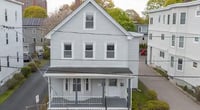
A client nearing retirement asked whether to keep their current single-family home or move to a condo. Even just considering Burlington, the answer wasn't straightforward. Let's look at the numbers first.
As of May 2026, the median sale price for single-family homes in Burlington is $890,000. A year earlier, in May 2025, it was $952,500. The price has actually decreased. For the entire year of 2025, the median price for single-family homes in Burlington was $785,000, which is 5.7 percent lower than in 2024. This indicates that prices are not just continuously rising.
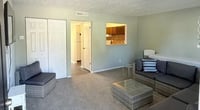
For condos, there is a wide variation in listings. For example, one listing featured a condo with 2 bedrooms and 2 bathrooms, covering 1,065 square feet, with a monthly maintenance fee and HOA of $267. Depending on the size of the complex and amenities, this amount could be higher. Additionally, starting in August 2026, the HOA reserve fund contribution requirement will increase from 10 percent to 15 percent of the budget, which may lead to a gradual increase in maintenance fees by January 2027. If you choose a condo, it's good to be aware of this in advance.
Heating costs should be viewed in the context of the overall trend in Massachusetts rather than just Burlington. This winter, Eversource gas rates increased by 13 percent, resulting in an average additional charge of $41.24 for households. National Grid has also applied for a rate increase. Electricity rates for both companies have risen by around 5 percent. Since single-family homes have a larger area to heat compared to condos, this increase is felt more significantly.
Property taxes in Burlington are relatively favorable. For the 2026 fiscal year, the residential property tax rate in Burlington is $8.69 per $1,000 of assessed value, which is much lower than Boston's $12.40. Seniors aged 65 and older may also qualify for the Clause 41C senior tax exemption, provided their income does not exceed $22,622 for individuals or $33,994 for couples, and their non-housing assets do not exceed $45,325 for individuals or $62,322 for couples.
Let's also clarify the term active senior community. This refers to complexes where only individuals aged 55 and older can reside, and there are several such complexes near Burlington. Many people looking to completely eliminate yard maintenance find these communities appealing, as they often include services like lawn care, snow removal, and roof repairs within the maintenance fees. However, it's common for these communities to have higher fees compared to standard condos.
When comparing property tax rates with other areas, Burlington's position becomes clearer. Burlington's rate is $8.69 per $1,000, while neighboring Cambridge has a lower rate of $6.67, and Boston has a higher rate of $12.40. This means that even within Massachusetts, property tax burdens can vary significantly between towns. If you're considering whether to stay in Burlington or move to a nearby town with a lower tax rate, this difference should be factored into your calculations. Even if you move to a condo, whether you stay in Burlington or look for a condo in Cambridge will completely change the combination of maintenance fees and property taxes.
Moreover, Burlington's proximity to Route 128, an area dense with commercial facilities, allows it to maintain relatively low residential property tax rates due to the revenue generated from commercial properties.
Whether you choose a single-family home or a condo, if you've decided to stay in Burlington, it's important not to miss the application deadline for Clause 41C. Applications typically close around April each year, so it's advisable to check eligibility requirements well in advance of retirement.
In summary, single-family homes have seen a recent price plateau and have relatively low property tax rates. Condos come with additional maintenance fees but reduce heating area and management burdens. Which option is better depends on income and asset requirements, as well as how many more years you can manage. Tax and maintenance fee structures can vary by town, so this article is not investment or legal advice, and consulting a professional before any actual contracts is recommended.
 LatteCupTime
 LatteFocus






 Sugar Cream Door Bulletproof Noodles |
 urbanmint |
 |
| 
 Premium Gas Camp |
 CA Real Estate |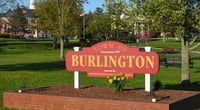
 Masa Masa |
 nougat |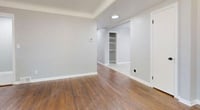

 churrotop |
  swiftlane |
  allstar realty |
  mystery |
  dermoon |
  UCLA Captain |
  lattecu |
  dynamite |
  frostingline |
  Hakuna Matata |
  Your Curiosity Resolved |
  Way to easy |
  Chino Min |
  nexabyte |
  moonshine 7 |
  Sunset Oregon |
  victoria 68 |
  golfmaster |
  Montgomery Mom |
  squidogame |