


Burlington is a tech hub along Route 128, favored by Korean families due to its excellent school district. It's important to note that the premium for the school district comes with a corresponding property tax burden.
The average effective property tax rate in Massachusetts is about 1.1%. While Burlington, located in Middlesex County, benefits from commercial district revenues that somewhat ease residential tax rates, it still hovers around 1.0% to 1.1%, close to the state average.
The median home price in Burlington has risen to about $950,000. Applying an effective tax rate of around 1.05%, the annual property tax is estimated to be about $9,900 to $10,000, which is significantly higher compared to other areas discussed earlier.
Insurance premiums reflect the risks of heavy snowfall and freezing in New England winters, often ranging from $1,700 to $1,900 annually. Given Burlington's high proportion of single-family homes, insurance costs tend to be somewhat higher than for condos.
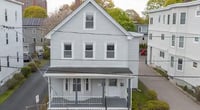
If we estimate maintenance costs at about 1.5% of the home price, a $950,000 home would require approximately $14,000 annually. Since the area has many older single-family homes, it's wise to consider that overlapping replacement times for roofs, boilers, and plumbing systems may lead to higher-than-expected expenses.
When combining these three items, the property tax is about $9,950, insurance is around $1,800, and maintenance costs are about $14,000, leading to a total annual homeownership cost of roughly $25,700 to $26,000. The high home prices significantly inflate both property taxes and maintenance costs, creating a substantial overall expense.
Compared to nearby Lexington or Woburn, Burlington has a higher proportion of commercial districts, resulting in relatively lower effective residential tax rates. However, Lexington's higher school district reputation leads to a greater home price premium, making the difference in home prices a more significant factor in total costs than the tax rate difference.
Massachusetts offers various programs for low-income residents over 65, including exemptions for residential properties, but towns like Burlington with significant commercial district revenues may have limited eligibility for these benefits, requiring individual verification.
If prioritizing school district value, Burlington's property tax burden can be seen as manageable. However, when planning a budget, it's advisable to account for both property taxes and maintenance costs to ensure sufficient funds are available.
 GhostShoots
 LatelyPina






 |
| 
 Premium Gas Camp |
 CA Real Estate |
 cheesepup |
 breezem |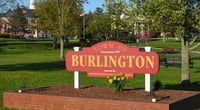
 Masa Masa |
 nougat |
 The Day the Sun Rises |
  sweetpop |
  California Kangaroo |
  zanero |
  station |
  Static |
  Star Way |
  American Blog Forge |
  MMORPG Games |
  Then you must be spring |
  Spicy Immigration Life |
  zenvor16 |
  The 2000 |
  toclick |
  wexlin84 |
  Hairy Poppins |
  daisypat |
  Taco Bell Candy Note Blog |
  MintO |
  My Town My Way Blog |