
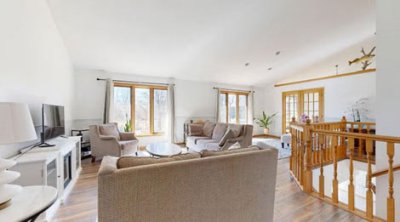
Walking through downtown Omaha, it's noticeable that there are areas that have changed significantly in recent years alongside those that remain the same. The downtown area, where streetcar construction is underway, has seen new rental complexes emerge, sometimes offering move-in promotions, while the older residential neighborhoods in Midtown and the suburbs maintain a quiet and stable atmosphere.
Recent market data shows that the average rent across Omaha is around $1,338. This figure, compiled by RentCafe for 2026, reflects a 2.51 percent increase from the previous year. According to Zumper, the median rent is $1,250, indicating a 3.3 percent rise compared to last year. While there isn't much publicly available data specifically comparing the rent gap between new and established buildings in Omaha, it's worth noting that nationally, new constructions tend to be 10 to 20 percent higher than established ones.
The streetcar construction area in downtown is seeing an increase in new rental units, leading to instances of initial move-in discounts. In contrast, the older Midtown neighborhoods benefit from mature trees, a settled community vibe, and established school routes.
The practical differences between new and established buildings are also evident in management costs. New constructions tend to have lower electricity and heating/cooling costs due to insulation and smart home features, and they come with construction warranties. The inland climate of Nebraska experiences significant temperature variations between summer and winter, which means that older homes often face quicker deterioration of plumbing and insulation.
For families looking to rent in Omaha with a budget of around $1,500, the choice often comes down to new downtown complexes versus established Midtown homes. New downtown units with one bedroom frequently fall within this budget, while established Midtown options may allow for two-bedroom duplexes at the same price point.
If considering a purchase, it's important to also look at mortgage rates. Referring to the 30-year fixed-rate trends published by Freddie Mac, it's safer to calculate the increasing principal for new purchases alongside anticipated repair costs for established homes.
According to comparison data compiled by NAR and Angi, new constructions have minimal repair burdens during the warranty period, but this difference diminishes significantly once the warranty expires.
On the other hand, established neighborhoods often feature larger homes with yards, which frequently overlap with school districts preferred by families raising children. While school ratings can be checked through resources like GreatSchools, it's important to verify the assigned school for a specific address, as boundaries can change frequently.
For investors looking for rental income, it's safer to assess the actual rent and vacancy rates after promotional periods rather than relying solely on promotional rents in new downtown developments. Market prices can fluctuate, so it's not guaranteed that they will always rise.
Omaha is also known for frequent hail damage during the summer, which directly impacts homeowners' insurance premiums. New homes often have lower insurance costs due to enhanced roofing materials and construction standards, while established homes without a history of roof replacements may face challenges in obtaining insurance. Checking this aspect in advance can help reduce unexpected costs, whether renting or buying.
As the supply of new rental units in downtown increases, the availability of established properties in Midtown remains relatively limited, leading to a divergence in the movements of the two markets.
Families relocating to Omaha from other states should be aware that Nebraska's property tax system may differ from that of their previous state. Tax rates vary by county, so individual verification is necessary.
If you're newly arrived from Korea and considering your first settlement, it may be wise to first assess the convenience of new downtown rental complexes versus the stability of established Midtown neighborhoods based on your current lifestyle.
Investment and legal information provided here is not advice, and it's recommended to consult real estate and tax professionals before making any contracts.
 Forest 98
 joyfulcloudwalker2001






 cheesepup |
 breezem |
 yentra |
 virex |
 vexon87 |
 lunexa |
 NE Hodori Preik |
 Nebraska Center Director TOP |
 moomoon |
  vionoo |
  chocolate |
  Whisper |
  Star Voyager |
  InDiGo |
  Rocky Mountains |
  Whoever It Is, I Don't Know |
  Why Not Me |
  Plastic Rose |
  Rice Shop Uncle BLOG |
  Victory 1988 |
  Gook Rule |
  Rowland Mama |
  Coco and Lulu |
  Baguette Blog |
  washington mom |
  yorvik12 |
  solvix18 |
  HVAC will prosper |
  mortrix |