
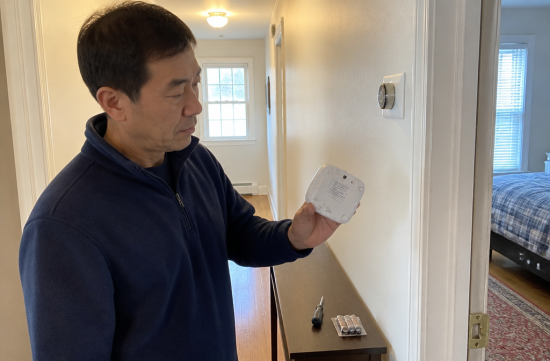
As the morning air turns crisp, households have started turning on their heaters. I also turned on my boiler for the first time last weekend and took the opportunity to check the carbon monoxide detector in the hallway.
I was a bit surprised to see the manufacturing date on the back. It was much older than I expected. Since it wasn't making any noise, I thought it was fine, but I had never actually checked to see if it was working.
Carbon monoxide is colorless and odorless. Therefore, it cannot be detected by the human nose, and the detector is essentially the only means of sensing it.
According to CDC data, over 400 people in the U.S. die each year from carbon monoxide poisoning unrelated to fires. More than 100,000 people visit emergency rooms, and over 14,000 are hospitalized.
While these numbers may seem distant, the seasonal context changes the narrative. CDC reports indicate that carbon monoxide deaths peak in December and January, with the lowest rates in summer.
The reason is simple. The time when fuel-burning appliances like furnaces, gas water heaters, and fireplaces are most commonly used is right now. With windows tightly shut, ventilation decreases.
The vague symptoms are also a concern. Symptoms such as headaches, dizziness, fatigue, nausea, chest pain, and confusion can occur, and the CDC describes these as flu-like symptoms.
Even more frightening is the risk to sleeping individuals. The CDC warns that one can become endangered before feeling any symptoms while asleep. This is why it is advised to place detectors near bedrooms.
So, where and how many should you install? The CPSC recommends installing one on each floor of the home and outside sleeping areas in the hallway.
Conversely, the CPSC advises that you do not need to install detectors in attics or basements unless there are bedrooms located there. This means that placement is more important than simply having many detectors.
If you live in New Jersey, it's also good to be aware of legal requirements. State regulations require that homes with fuel-burning appliances or attached garages must have a carbon monoxide detector within 10 feet of any bedroom.
When selling or renting a home, this cannot be overlooked. Homeowners must have smoke and carbon monoxide detectors inspected by the town's fire department and obtain a certificate before selling or changing tenants.
Fees, scheduling methods, and certificate validity periods vary by town. If you are moving or renting, it's best to call the Fire Prevention department in your town first.
Now, let's summarize the actual steps you need to take. First is the test button. The CPSC recommends testing your detector once a month.
If the sound is faint or intermittent when you press the button, you should suspect the battery first. If there is no sound at all, do not trust that detector.
Second is the battery. If your model uses replaceable batteries, the CPSC recommends changing them once a year. The 10-year sealed battery models are an exception.
There's an easy way to remember this. The CDC suggests checking the detector batteries when you change your clocks in spring and fall. This year, daylight saving time ends on Sunday, November 1, so that's this weekend.
Third is the lifespan of the detector itself. Sensors are consumables and cannot be used forever. The CDC recommends following the manufacturer's instructions or replacing them approximately every five years.
The exact guidelines are on the back of the detector. The manufacturing date or replacement timing is printed there, so I recommend checking it. This was the part that surprised me.
Another point to note is that a detector that has reached the end of its life will alert you with a different sound than the battery warning. If you hear a series of short beeps, be sure to check the manual to understand what that pattern means.
Fourth is a more fundamental aspect than the detector itself. The CDC recommends having gas or oil appliances like furnaces and water heaters inspected annually by a qualified technician. Chimneys should also be checked or cleaned every year.
Honestly, many people might feel that the inspection fee is a waste. However, catching problems early can reduce repair costs and prevent your heater from failing in the middle of winter, so I believe it's worth the expense.
Fifth is preparing for power outages. Many homes bring out generators when snowstorms cause power outages, but the CDC advises that generators must be operated outdoors, at least 20 feet away from windows, doors, and vents.
Running a generator inside a garage with the door open is also not acceptable. The CDC clearly states not to use them indoors or in garages, even with doors and windows open.
If you are buying a new detector, check for certification marks like UL 2034. Digital models that display numbers have features that show the highest concentration, which can help you assess the situation.
If the alarm goes off, do not hesitate; go outside for fresh air and call 911. Avoid staying inside to find the source of the problem.
If headaches or dizziness persist, consult a doctor, and if you take regular medications or have pre-existing conditions, it's also good to ask your pharmacist or doctor in advance.
I have plans for this weekend. I will change the batteries while changing the clocks, press the test button, and consider buying a new detector if mine is old.
It will take just 10 minutes. Before you start using your heater, I recommend checking your home's detectors as well.
 ChocoJoy
 PanBlog







 The Emperor Must Grow |

 squidogame |

 daddyyo |

 Top Beaches |

 Solo Yolo |

 Dollydori, Lover of Movies |
 Miju Communication News Blog |

 Anytime Journey |

 ringwinds |
 ssome |
 skykong |
 Shining Our Own World |
 gardener 007 |
 golfmaster |
 Nanana Nanana Nanana |
 Who's watching? |
 endone |
 RockStar |
 Casa Mia |
 You Only Live Once |
 Hardworking CPA |
 Joyce 77 |
 Runner Kim |
 My Town My Way Blog |
 My Miami Stories |
 Entip |
 Tony Park |
 Jean Claude Bundang Blog |
 DJ DC BLOG |