

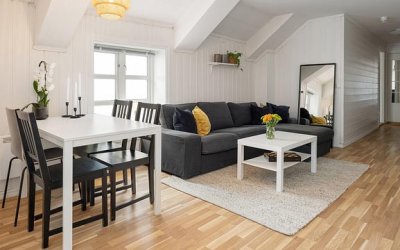
Walking along the Charles River in downtown Boston, you'll come across a street lined with 19th-century brick townhouses. This is Back Bay and Beacon Hill. Both areas are considered some of the oldest affluent neighborhoods in the United States, and property prices still move in the million-dollar range. The narrow alleys, gas lamps, and cobblestone streets remain intact, making it one of the few places in the heart of the city where you can experience the 19th-century New England atmosphere.
Back Bay is a planned area developed on landfill in the late 19th century, where the median sale price for condos and townhouses is estimated to be between $1.5 million and $2 million. The French Second Empire style buildings that line Commonwealth Avenue are a symbol of this area. Beacon Hill, with its narrow cobblestone streets and gas lamps, is also a historic district, where it is common for the median price of single-family homes to exceed $2 million. Both neighborhoods have a low frequency of listings, making it take time to find desired properties.
Outside the city center, suburban towns like Weston and Dover are classified as some of the highest-income areas in Massachusetts. In Weston, the median home price is reported to be around $1.8 million to $2 million, with large lots and excellent public school districts being key factors that contribute to its affluence. Chestnut Hill in Newton also has a median price around $1.5 million, benefiting from the school district premium near Boston College. Further west, Lincoln and Concord maintain a median price around $1.3 million, thanks to their large lots and historical background.
Compared to the overall median home price in the Boston metro area, which hovers around $600,000 to $700,000, the areas mentioned above are more than double the local average. The widening gap can be attributed not only to school districts but also to proximity to prestigious universities like Harvard, MIT, and Boston College, as well as the unique historical and cultural premium of New England. Even during recent periods of rising interest rates, property prices in these areas have shown little fluctuation, resulting in a gentle adjustment.
Among Korean professionals, especially those in the medical and biotech fields, towns with excellent school districts like Newton and Weston are consistently preferred. Many households prioritize school quality and safety over city accessibility, leading to a clear trend of choosing suburban areas even if it means longer commute times. For households working in the hospital-dense areas of downtown Boston, the southern part of Brookline may also be a viable compromise.
However, recently, there has been a noticeable resurgence in demand for condos in urban affluent neighborhoods like Back Bay and Beacon Hill due to the rise of remote work. Both suburban school district areas and urban historic districts have distinct advantages and disadvantages, so it is essential to adjust your approach based on whether the purpose is for living or investment. If rental income is a priority, urban condos may be the better choice, while suburban towns may be more suitable for long-term residence and children's education.
Boston's market shows significant price variations not only between affluent neighborhoods but also within them, depending on the age and location of the buildings. Once you narrow down your areas of interest, it is advisable to check recent transaction prices separately for safety. Especially for condos, reviewing management fees and building regulations is necessary to accurately gauge actual living costs.
 SnowSummit
 BrainCTcity




 |
| 
 Premium Gas Camp |
 CA Real Estate |
 cheesepup |
 breezem |
 NO CAP LIFE |

 custardnew |
 tiramisu |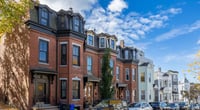
 gumdrop |
  forestcloud |
  forever young |
  Arlington house |
  liquid asset |
  Who's watching? |
  eclipse |
  quietwave |
  Hajiwon Blog Hair Salon |
  hoosierdaddy |
  saffronroute |
  korvex93 |
  Mini Mee |
  Darnignac |
  vanilla |
  selvon |
  brownie |
  Star Blog |
  The Day the Sun Rises |
  sweetpop |
  California Kangaroo |