


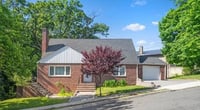
A family that recently came for a consultation was facing a dilemma about what to do with their home in Ridgefield after relocating to Texas due to the husband's job transfer. They decided not to sell the house, as the current market price was disappointing, and there was a possibility of returning to New Jersey in the future. When moving to another state on short notice and turning their home into a rental, it's important to follow the right steps from the beginning.
The first thing to determine is the rental price. If you guess, you might set it too low and lose money, or conversely, set it too high and leave it vacant for months. According to RentCafe, as of July 2026, the average rent in Ridgefield is $2,611, while areas like Hackensack within Bergen County average around $2,589. Ridgefield maintains this price level due to its proximity to the George Washington Bridge, which keeps demand steady for commuting to New York. However, even within Ridgefield, the actual rental price can vary by more than $100 depending on whether the property is closer to schools or main roads.
Once you've set the rent, it's time to advertise. Posting on platforms like Zillow, Apartments.com, and Facebook Marketplace with photos is standard, and utilizing Korean community boards can lead to quicker inquiries. It's best to take photos during the day when natural light is available, and including details about parking spaces or storage areas that tenants are likely to be curious about can significantly reduce the time spent responding to inquiries.
As inquiries start coming in, you move on to the screening stage to select tenants. It's standard practice to check three main criteria: credit score, proof of income, and previous rental history. Many landlords use a guideline of requiring income to be at least three times the monthly rent, verified through recent pay stubs or offer letters. A credit check must be conducted with the tenant's consent, and it's important to base decisions solely on objective criteria like credit score, income, and rental history to avoid violating fair housing laws.
When drafting the lease, it's crucial to clearly outline the rental period, monthly rent, security deposit amount, who is responsible for maintenance costs, whether pets are allowed, and the scope of repair responsibilities to minimize disputes later. In New Jersey, the security deposit can only be up to 1.5 times the monthly rent, and any additional deposit upon lease renewal cannot exceed 10% of the existing amount. The collected security deposit must be kept in a separate account that earns interest, and the landlord must inform the tenant of the bank name and account details in writing within 30 days. When the tenant moves out, the security deposit and interest must be returned within 30 days, but deductions can only be made for damages beyond normal wear and tear.
If a tenant falls behind on rent, New Jersey allows landlords to demand payment with a written notice of three days. However, if there has been a history of accepting late payments, this may change to a 30-day notice, so it's important to be aware of this. The state has strong tenant protections, and skipping procedures can put landlords at a disadvantage.
When showing the property, it's efficient to schedule a time to show it to multiple people at once. Some landlords charge an application fee along with the application, which is typically set at a level that covers the actual costs of credit and background checks. If you've moved out of state, it may be difficult to show the property yourself, so considering hiring a local agent or management company for tours can be a good option.
Before starting the lease, it's also important to switch from a renter's insurance policy to a landlord's insurance policy. You should verify whether it covers accidents or liability that may occur after the tenant moves in, and many landlords set aside a portion of the rent as a maintenance reserve for major repairs like boilers or roofs. It's common practice to notify tenants of renewal decisions at least 60 days before the lease expires.
These regulations can vary by county or individual circumstances, so it's wise to consult with a real estate attorney or management company before drafting the actual lease. This article is intended for general informational purposes and is not legal advice.
 ShinIsBest
 FrenchBulldog






 Sugar Cream Door Bulletproof Noodles |
 urbanmint |
 |
| 
 Premium Gas Camp |
 CA Real Estate |
 Living in New Jersey blog |
 Ready for sunshine |
 Anytime Journey |
 summer |
 Delicious Food Finder |
  churrotop |
  swiftlane |
  allstar realty |
  mystery |
  dermoon |
  UCLA Captain |
  lattecu |
  dynamite |
  frostingline |
  Hakuna Matata |
  Your Curiosity Resolved |
  Way to easy |
  Chino Min |
  nexabyte |
  moonshine 7 |
  Sunset Oregon |
  victoria 68 |
  golfmaster |
  Montgomery Mom |
  squidogame |