

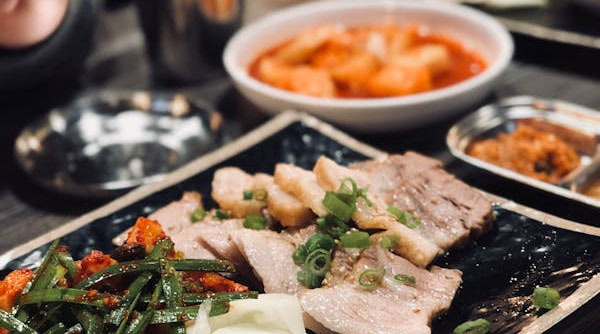
Korean cuisine has rapidly gained popularity in the U.S. over the past few years, fueled by Netflix's global expansion and the K-drama and K-culture boom following the pandemic. With increasing interest in the Korean dishes enjoyed by K-pop idols, Korean food has established itself as a culinary culture easily found across the United States.
In fact, Korean restaurants can be found in most major urban areas in the U.S. The characteristics of Korean food include a harmonious blend of diverse flavors, healthy ingredients, and unique cooking methods. These elements have captivated American palates, allowing Korean cuisine to transcend mere trends and achieve lasting popularity.
Korean food is known for its variety of ingredients and complex flavors. Notably, the emphasis on spicy flavors, fermented foods, and rice-centered meals stands out. Many dishes use essential seasonings like gochujang, soy sauce, doenjang, and gochugaru, which provide deep flavors and rich aromas. Additionally, fermented foods like kimchi are recognized for their health benefits and digestive aid, making them increasingly popular among health-conscious modern individuals.
Among Korean dishes, bulgogi is a traditional meat dish that is particularly popular among Americans. This dish, which consists of marinated beef grilled to perfection, has gained significant popularity in the U.S. The sweet and savory marinated beef is tender and delicious, and when enjoyed with various vegetables, it enhances the overall flavor. Thanks to its taste and aroma, bulgogi has become one of the most popular Korean dishes in America.
The popularity of bulgogi can be seen not only in Korean restaurants but also in fast food and restaurants that feature Korean cuisine. There are many variations, including bulgogi tacos, bulgogi burgers, and cup rice. Furthermore, bulgogi is prepared in a manner similar to American barbecue, making it more familiar and accessible to Americans.
Kimchi, introduced as a health food by the U.S. government, is a traditional Korean side dish made from fermented napa cabbage and gochugaru. Kimchi is known for its health benefits and has gained immense popularity in the U.S. It is recognized as a probiotic-rich fermented food, making it a sought-after healthy option. Particularly among vegans and vegetarians, kimchi is frequently consumed as an excellent fermented food.
In large supermarkets across the U.S., pre-packaged kimchi is readily available, and some upscale restaurants are showcasing creative dishes that incorporate kimchi. Various recipes utilizing kimchi, such as kimchi stew and kimchi fried rice, are also gaining popularity.
Bibimbap, a traditional Korean one-bowl meal that combines rice, vegetables, meat, and gochujang, is gaining popularity as a convenient meal option. The mixing of various ingredients in bibimbap makes it a healthy choice that is well-received. The vibrant colors and fresh ingredients of bibimbap are visually appealing, and its flavor is enhanced by the sweet and spicy taste of gochujang.
Bibimbap aligns well with the health-oriented trends in the U.S., and many restaurants offer innovative variations of bibimbap. For example, options like quinoa bibimbap or avocado bibimbap are becoming popular.
Some Korean restaurants in the U.S. are adding tteokbokki to their menus, especially as the K-food craze continues to grow. Tteokbokki is particularly appealing to those who enjoy spicy food.
Korean BBQ, characterized by grilling meat at the table, has also gained significant popularity in the U.S. Notably, samgyeopsal and galbi are representative dishes of Korean BBQ, offered in many Korean BBQ restaurants across the country. The flavor of samgyeopsal grilled over charcoal is exceptional, while galbi provides a juicy taste with its unique marinade.
Korean BBQ is attractive due to the variety of side dishes served with the meat, and the experience of grilling meat at the table offers a new experience for Americans. This aspect contributes to the growing popularity of Korean BBQ.
As more people in the U.S. prefer health-conscious eating habits, the healthy ingredients and balanced meals offered by Korean cuisine are becoming increasingly popular. Dishes like kimchi, bibimbap, and various vegetables and seafood are nutritionally balanced and low in calories, appealing to those focused on diet and health.
Korean cuisine is creatively evolving by blending with various food trends in the U.S. For instance, fusion dishes like K-tacos and K-burgers that incorporate Korean ingredients and flavors are gaining traction.
Dishes such as bulgogi, kimchi, bibimbap, tteokbokki, and Korean BBQ are captivating American tastes, and their popularity is expected to continue.
With the popularity of K-pop and K-dramas, interest in Korean food has expanded, and it is believed that Korean cuisine is permeating mainstream food culture in the U.S., transcending mere trends.






 Yellow Snowman |
 Moscow Kim |
 Seattle - Emerald City |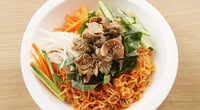
 self-evaluation |
 Sandiego Auntie |
 forevergee |
 Reeno |
 gardener 007 |

 road98 |
  Churros Train Conductor |
  gleeful |
  Burbank Lee |
  Olivia's Blog |
  Bushing Around Life |
  Active |
  Cherokee Rose |
  Kor. Master |
  Holey Moley |
  Conflite Teacher |
  Hodong Prince Over Flex |
  Mist inn |
  citrus pop |
  Onion Ring |
  phoenixia |
  viewtop |
  loverun |
  Kim Do Sun |
  SEVEN SEVEN |