


Recently, I spoke with a family who was looking for townhomes near downtown Indianapolis. While the purchase price was lower than that of a single-family home, they had to revise their budget because they hadn't factored in the monthly HOA management fees. It's important to understand that while the HOA manages the exterior and common areas of the townhome, this comes with a fixed monthly cost.
Looking at the city of Indianapolis as a whole, the median sales price is projected to be $259,000 for the three months leading up to June 2026, which is a 2.3% increase from the previous year according to Redfin. By type, the average price for single-family homes is $265,000, while condos are around $207,500. Expanding the scope to include all of Central Indiana, the MIBOR (Metropolitan Indianapolis Board of Realtors) reports a median price of $325,000 for June 2026, up 2.8% from the previous year. In June alone, 3,541 transactions occurred, an increase from 3,427 the previous year, with the average contract taking 21 days, slightly longer than the 18 days from the previous year.
Recent market trends show a noticeable increase in new townhome supply in walkable areas like downtown, Foggy Bottom, and Broad Ripple. Nationwide, townhomes are becoming a larger share of new housing supply (according to the National Association of Home Builders), and Indianapolis is following this trend with more townhomes being built in urban redevelopment areas compared to single-family homes. This is attractive for builders as it allows for efficient land use while maintaining relatively lower price points.
Returning to the earlier family's case, they initially chose a townhome based solely on the purchase price, only to later realize that the total fixed costs, including HOA fees and property taxes, were not significantly different from those of a similarly priced single-family home. Townhomes often have management fees that are lower than condos but definitely higher than single-family homes, so it's beneficial to carefully review the HOA financial statements and monthly fee details before making a purchase. Ultimately, this family decided to shift their focus to a community slightly farther from downtown, where the HOA fees were lower.
For investors looking for rental income, Indianapolis is known for having steady rental demand relative to purchase prices, but it's crucial to remember that the management fee structures vary by property type. Condos tend to have higher fees because the management association is responsible for the building's structure, exterior, and most amenities, while single-family homes have lower management fees but can incur significant repair costs at once. Since there's no guarantee that property values will continue to rise, it's wise to also consider the supply levels in different areas.
In relatively affordable areas like Perry Township in the south or Warren Township in the east, single-family homes still make up a large portion of the market. In contrast, areas closer to downtown, such as Fairgrounds and La Riviera, are seeing a rapid increase in new townhome developments. Weighing your budget, commute distance, and management fee burden will help clarify which area is the best fit for you.
If education is a priority for Korean families, it may be beneficial to compare adjacent areas in northern Indianapolis, such as Carmel, Fishers, and Zionsville. These areas have many schools with high GreatSchools ratings, leading to consistent demand for single-family homes. However, school district boundaries can change frequently, so it's advisable to verify the assigned school for a specific address before purchasing.
Families relocating from other states may find Indiana's property tax rates to be lower than those of their previous residences, but it's important to note that tax rates and assessment methods vary by county and township, so the exact amount needs to be confirmed separately. Families moving from areas with high property tax burdens, like California or New York, may be tempted to feel reassured by Indiana's lower rates, but the assessment methods relative to purchase prices can differ, so it's wise to calculate the expected tax amount before closing. This article does not constitute investment or legal advice, and consulting a professional before making any agreements is recommended.
 NightQueen
 SalmonSquats







 |
| 
 Premium Gas Camp |
 CA Real Estate |
 cheesepup |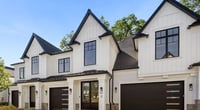
 breezem |
 Indiana Jones |
 Yellow Snowman |
 Now or Never |

 La Bean |
  American History This and That |
  Monte Sori |
  U donn |
  Sarah's Blog |
  Holy Cow |
  monster |
  houston mama |
  Reggae Party |
  Thou Thou |
  Tennessee Land |
  custardnew |
  Chimhanbang Korea ACU |
  See South Carolina |
  dorex |
  Taek Jun |
  Choi Cho |
  Anova US Beauty Information |
  whiskerbread |
  Yo Lock Me Up |