

Indiana is located in the Midwest and features a climate with distinct four seasons, characterized by a humid continental climate.
The weather varies greatly with the seasons, with hot and humid summers and cold winters with snowfall.
Monthly Average Temperature (Fahrenheit/Celsius)
- January: 28°F (-2°C)
- February: 32°F (0°C)
- March: 42°F (6°C)
- April: 54°F (12°C)
- May: 64°F (18°C)
- June: 73°F (23°C)
- July: 77°F (25°C) (hottest month)
- August: 75°F (24°C)
- September: 68°F (20°C)
- October: 56°F (13°C)
- November: 44°F (7°C)
- December: 32°F (0°C)
Monthly Average Precipitation
- The annual average precipitation is about 40
45 inches (10161143mm), with slight variations each month. - Spring and summer: The highest precipitation occurs, especially in May and June, with frequent heavy rains and thunderstorms.
- Autumn: Precipitation decreases, making it a relatively dry season.
- Winter: Snow falls, but it is less than in other areas of the Midwest. The average snowfall is about 22 inches (56cm).
Due to its geographical characteristics, Indiana is affected by the following natural disasters:
Thunderstorms and Tornadoes
- Indiana is located at the eastern end of Tornado Alley, making tornadoes possible in late spring and early summer. Strong thunderstorms can also bring risks of high winds, hail, and flooding.
- The Super Outbreak of 1974 is a notable example that caused significant damage in Indiana.
Flooding
- Areas around the Wabash River and White River are at risk of flooding after heavy rainfall or snowfall.
- Rivers often flood during the spring thaw.
Snowstorms
- Winter snowstorms can lead to road closures or power outages, particularly affecting the northern regions.
Drought
- Droughts can occur in the summer, impacting agricultural production.
- Temperature: Four distinct seasons, with summer averaging above 70°F (21°C) and winter below 30°F (0°C).
- Precipitation: Evenly distributed throughout the year, but more rain falls in spring and early summer.
- Natural Disasters: Tornadoes, flooding, and snowstorms are major threats, with frequency varying by season.
Considering these climate and natural disaster factors, homeowners insurance and emergency preparedness plans are essential in Indiana.








 bada2002 |
 Now or Never |
 Yellow Snowman |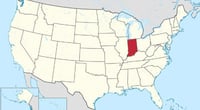

 Indiana Jones |
  Tonky |
  viroma |
  cookie |
  Live and that's it |
  Alright Twain |
  eatontown blog |
  HAWAII Korean Church News |
  Amore |
  linex |
  Balancework |
  laro90 |
  MEDBIO American Doctor Blog |
  SWAT TEAM BLK |
  DREAM BIG |
  frostbite |
  330 Forever My Love |
  El Dorado |
  dralix58 |
  Gorama Round |
  Skydiving |