
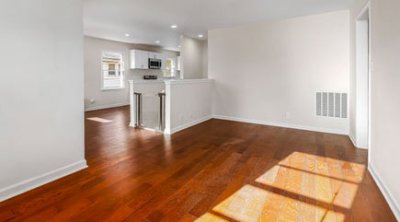
A retiree in the Valley recently reached out with a question. They are unsure whether to stay in their single-family home, where they have lived for nearly 20 years, or move to a condo that requires less maintenance. This dilemma is tied to the unique circumstances of the Valley area.
This retiree lives in a neighborhood within the Valley that is particularly hot during the summer, and they have felt an increasing burden when looking at their summer electricity bills in recent years. In contrast, they have heard that neighbors who moved to condos have much lower bills during the same season, prompting them to start researching their options.
Starting with cooling costs, the LADWP rate structure divides residences into two zones based on climate. Areas closer to the coast, like Santa Monica or Venice, fall into Zone 1, while the hotter Valley region is classified as Zone 2. Homes in Zone 2 see their rates increase more quickly for the same usage, leading to higher costs. As of 2026, the R-1A rate for spring is about 24.4 cents per kWh in the first tier, while from July to September, the third tier jumps to about 41 cents per kWh. For a Valley home using 750 kWh, monthly electricity bills can range from $215 to $230, totaling between $2,600 and $2,750 annually, according to research.
Looking at home prices, the median sale price for single-family homes in San Fernando is $728,000 as of May 2026, while the median listing price in August of the same year is confirmed at $750,000. In contrast, the median price for condos and townhomes across the Valley is around $637,000. It's important to note that this figure is not just for San Fernando but represents the entire Valley region, indicating a clear trend of lower entry barriers for condos.
Property taxes are based on the purchase price under California Prop 13, with annual increases capped, making it more advantageous the longer one resides in a home. For those over 55, Prop 19 allows the property tax basis from their current home to be transferred to a new home, which is also a factor to consider. This can be applied up to three times in any part of California and has been in effect since April 2021.
Maintaining a single-family home means ongoing yard and cooling costs, but it provides ample space and privacy. Moving to a condo reduces the purchase price and cooling area but incurs a fixed monthly HOA fee. In areas like the Valley, where summer cooling demand is high, the smaller space and shared insulation structure of condos can often help reduce electricity costs.
In addition to electricity costs, maintaining a single-family home also involves the aging of heating and cooling systems. Air conditioners or heaters over 20 years old often lose efficiency, requiring more power to maintain the same indoor temperature. Some condos have recently replaced their building-wide heating and cooling systems, so checking the age of these systems before a purchase can be a good strategy.
Active senior communities with a 55+ age requirement are also worth considering as an alternative. They include landscaping and exterior maintenance in their fees, making monthly expenses easier to predict, and they offer the advantage of socializing with neighbors who have retired around the same time. However, the level of amenities and management fees can vary significantly from one community to another, so visiting several potential communities is necessary.
This retiree ultimately compared the summer rate burden in Zone 2 with condo prices in the Valley and decided to plan their next move for the spring.
In summary, choosing between a single-family home and a condo in the Valley involves not just the price difference but also the cooling cost structure divided between Zone 1 and Zone 2, as well as the possibility of transferring property tax bases. Taxes and utility costs can vary based on accounts and usage patterns, so consulting with real estate and tax professionals before making a decision is advisable. This article does not serve as investment or legal advice.
 JjamjjaBest
 StarryStory






 Sugar Cream Door Bulletproof Noodles |
 urbanmint |
 |
| 
 Premium Gas Camp |
 CA Real Estate |
 productionblog |
 fernando park |
 All About Real Estate Information in the USA |
 U.S. Military Recruitment Information |
 Valley Bang |
  churrotop |
  swiftlane |
  allstar realty |
  mystery |
  dermoon |
  UCLA Captain |
  lattecu |
  dynamite |
  frostingline |
  Hakuna Matata |
  Your Curiosity Resolved |
  Way to easy |
  Chino Min |
  nexabyte |
  moonshine 7 |
  Sunset Oregon |
  victoria 68 |
  golfmaster |
  Montgomery Mom |
  squidogame |