
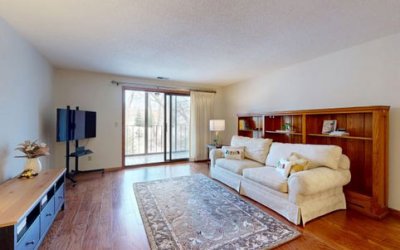
When looking at older apartments in Anchorage, the first thing that stands out is the spacious interior area. Buildings constructed in the 1970s and 1980s often have larger living rooms and kitchens compared to newer constructions with the same number of bedrooms, and they typically offer more storage space.
In fact, a significant portion of the apartment inventory in Anchorage consists of older buildings. The average age of buildings in the Anchorage area is about 44 years, and only around 12% have been built since 2000 (source: Alaska Home Search market analysis, as of 2026). This indicates that it is not easy to find new construction listings in the market. Recent categories of newly constructed listings on Apartments.com show that there are almost no new units available in Anchorage.
In terms of pricing, the average rent across Anchorage is around $1,850 as of mid-2026 (source: Zillow Rental Manager). Considering that nationwide, new apartments often come with a rent premium of about 10-20% compared to older buildings (source: RentCafe, Apartment List new construction market report), the few remaining new units in Anchorage are likely to be priced significantly higher than this average.
The strengths of older apartments go beyond just size. Many older multi-family buildings include gas heating and hot water fees in the rent, which means tenants do not have to worry about heating costs separately during the winter. In contrast, newer units or single-family rentals typically require tenants to pay for utilities like electricity and heating directly.
However, older buildings tend to experience faster deterioration of plumbing, insulation, and roofing due to Anchorage's unique climate, which sees extreme cold in winter and thawing in summer. There can be significant variations in maintenance conditions, so it is advisable to check the heating system and plumbing maintenance history before signing a lease. New constructions are equipped with insulation and systems designed to handle these climate risks, and they often come with remaining construction warranties, which can reduce initial defect liabilities.
If Korean families are choosing a location based on school districts, it is wise to check the school assignments for neighborhoods that are primarily older buildings versus those with a mix of new small developments. School district boundaries change frequently, so while it is helpful to refer to GreatSchools or state education department ratings, it is ultimately best to verify the assigned school for the specific address. For those relocating from other states, it is also important to consider that property tax and insurance conditions in Anchorage may differ from their previous residence.
When approaching this from an investment perspective, the considerations shift slightly. Older buildings may have lower purchase prices but carry the risk of unexpected repair costs during vacancy periods, while new constructions have higher initial purchase costs but typically incur minimal major repair expenses in the first few years. However, it cannot be assumed that rents will always increase with new constructions, and in a market like Anchorage, where population growth is gradual, vacancy risks must also be taken into account. Investors aiming for rental income should calculate the actual yield, including management fees and warranty conditions.
The mortgage interest rate environment is another aspect to consider. In recent years, high interest rates have led more families to choose renting over buying, which can drive demand toward older apartments that make up the majority of rental inventory. Conversely, new constructions are so limited in supply that the waiting period to find desired listings can be lengthy. For those who have just immigrated from Korea and are looking for their first settlement, it seems practical to first assess the market for older buildings and then consider new constructions based on their budget.
Ultimately, in Anchorage, if you value spaciousness and included utilities, older apartments may be the answer, while if you prioritize modern amenities and lower defect risks, the very few new constructions could be the right choice. This article is not investment or legal advice, and it is recommended to consult with professionals to verify conditions before any actual contracts or transactions.
 WheresMoney
 Coffeemania








 cheesepup |
 breezem |
 yentra |
 virex |
 vexon87 |
 AL ALASKA |
 Omelet Rice for Strength |
 Sunny's Travel in America |

 Whisper |
  Star Voyager |
  InDiGo |
  Rocky Mountains |
  Whoever It Is, I Don't Know |
  Why Not Me |
  Plastic Rose |
  Rice Shop Uncle BLOG |
  Victory 1988 |
  Gook Rule |
  Rowland Mama |
  Coco and Lulu |
  Baguette Blog |
  washington mom |
  yorvik12 |
  HVAC will prosper |
  mortrix |
  Panorama Kstar |
  MAX009 BLOG |
  K-POP TV News |