
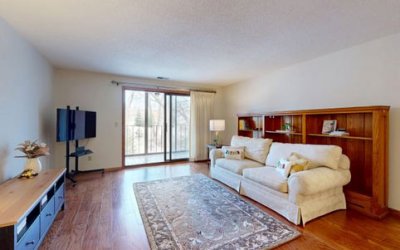
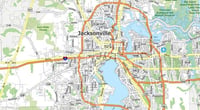
Recently, the market shows that homebuyers commuting to downtown or near Oceanway in Jacksonville are increasingly looking at townhomes or condos that require less management. Conversely, families with children still often seek single-family homes in the suburbs with good school districts, even if it means a longer commute. Within the same city, preferences for housing types often vary based on commuting routes.
Looking at prices, this choice makes sense. As of June 2026, the overall median price in Jacksonville was $309,831, and in the past year, the median price for single-family homes rose by $31,000 to reach $430,000. Condos often trade in the range of $200,000 to $220,000, while the median price for townhomes decreased by 2% compared to the previous year. Among the cases I reviewed, some families purchased townhomes around a budget of $250,000 to reduce commuting time, while others spent over $400,000 to move to single-family homes in the suburbs, clearly reflecting their priorities.
In terms of management fees, the average for townhomes is about $235 per month, typically ranging from $200 to $350 depending on the community. In large planned developments, a Community Development District (CDD) fee often adds an annual cost of $1,200 to $3,500, which is a structure where the developer shares the cost of infrastructure with residents. Recent market trends show that due to rising insurance premiums, both management fees and CDD burdens are increasing.
The flow of new supply also supports this commuting-centered choice. Planned communities with townhomes and small single-family homes continue to increase around major roads in Jacksonville's suburbs, indicating that builders are responding to the challenge of securing large plots by increasing density.
In school districts preferred by Korean families, single-family home listings are relatively scarce, and prices tend to be high. If the budget is limited, considering townhomes within the same school district can be a viable option, but keep in mind that school district boundaries often change, so it's advisable to check the assigned school for the address before purchasing. Families relocating from other states should also note the advantage of no state income tax in Florida, along with the differences in property tax and insurance structures compared to their previous residences.
For investors considering rental income, townhomes are easier to manage since the HOA shares some of the management burden, but it can be challenging to pass on CDD costs to tenants, so careful attention to net yield calculations is necessary. Single-family homes have lower management costs but come with higher purchase prices, which increases the initial investment.
Among the cases I reviewed, some families chose townhomes in neighborhoods close to downtown, like San Marco or Riverside, significantly reducing their commute times, while others purchased single-family homes in slightly more distant areas looking at the St. Johns County school district. The outcome varies based on how commuting distance, school districts, and budget are weighed.
Differences also appear in the mortgage approval process. Condos may require a review of the overall financial status and reserve levels of the building, making it easier to secure loans for well-managed buildings. Townhomes and single-family homes generally have less building-level scrutiny, resulting in a relatively straightforward loan process. Getting estimates for closing costs in advance can help with budget planning, and obtaining pre-approval for loans can prevent missing out on desired properties. It's also advisable to compare the terms from multiple lenders.
Ultimately, if prioritizing commuting convenience and management burden, townhomes may be the better choice, while single-family homes may be more suitable if prioritizing space and school districts. This article is not investment or legal advice, and consulting with a professional before making any contracts is recommended.
 BlueRiver
 SunnyForest74







 |
| 
 Premium Gas Camp |
 CA Real Estate |
 cheesepup |
 breezem |
 Good Good |
 oh my salami |
 Taco Bell Candy Note Blog |
 U donn |
  Sarah's Blog |
  Holy Cow |
  monster |
  houston mama |
  Reggae Party |
  Thou Thou |
  Tennessee Land |
  custardnew |
  Chimhanbang Korea ACU |
  See South Carolina |
  dorex |
  Taek Jun |
  Choi Cho |
  Anova US Beauty Information |
  whiskerbread |
  Yo Lock Me Up |
  pecantop |
  self-evaluation |