
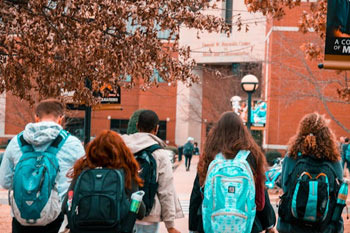
Whether children in the USA must take the school bus depends on the school and residence.
Generally, the school bus is an important mode of transportation provided by most public schools, but not all students are required to take it. Below, I will explain specific situations regarding whether children need to use the school bus.
1. General Regulations for Using the School Bus
- Public Schools and School Bus Provision: Most public schools in the USA provide school buses to ensure that students can safely and efficiently get to school. Particularly, students living far from school or in areas where walking is difficult often need to take the school bus.
- Other Transportation Means: Some schools allow students to walk, bike, or be driven by parents, in which case they do not have to take the school bus. However, schools generally provide school buses based on specific criteria and encourage students who meet these criteria to use them.
2. Criteria for Taking the School Bus
- Distance from School: One of the criteria for providing school buses in the USA is the distance from the school to the student's home. Generally:
- Elementary Students: School buses are provided if the distance from home to school is about 1 mile (1.6 kilometers) or more.
- Middle and High School Students: School buses are often provided if the distance from home to school is about 2 miles (3.2 kilometers) or more.
- Local Regulations: In some cities, the conditions for providing school buses may vary based on the distance students live from school and safety issues. For example, in rural or suburban areas, students often need to take the school bus.
3. Choosing Not to Take the School Bus
- Parent's Vehicle: Some parents may choose to drive their children to school instead of having them take the school bus. In this case, children are not required to take the school bus and can choose other transportation methods based on their parents' decisions.
- Optional Transportation Programs: Some schools may offer alternative transportation options if school buses are not provided. For example, in certain areas, students may be encouraged to use public transportation like subways or buses instead of the school bus.
- School Choice: Many states operate a system that allows students to freely choose their schools (e.g., inter-school choice programs), and in such cases, there may be no school bus provided to the chosen school.
4. When the School Bus is Not Provided
In areas where school buses are not provided, parents are responsible for their children's transportation. Especially in urban areas, children often use public transportation or are driven directly to school by their parents. Additionally, some school districts may not provide school buses for students who can walk or bike to school.
5. Reasons for Not Taking the School Bus and Alternatives
- Commute Distance: School buses are primarily provided for students who travel long distances. If a student lives close to school, they can walk or bike, so they do not need to take the school bus.
- Use of Public Transportation: Some high school students may use public transportation to get to school. For example, if they take a bus or subway to school, they may not use the school bus provided by the school.
- Differences Based on School Policies: Each school may set different policies regarding how students get to school. Some schools may not provide school buses or allow other transportation options.
Whether children in the USA must take the school bus depends on the student's residence and the school's regulations. Students living far from school or in areas with inconvenient transportation typically use the school bus, primarily for safety and convenience. However, those living nearby or able to use other transportation methods may not take the school bus.
The school bus is an important means of transportation for students, provided for safety and efficiency, but alternative means may be used depending on parental choice or local policies.







 Weekend Movie Blog |
 Beauty, Health, Lifestyle Blog |
 coloradoman |
 Superman Cat Blog |
 novapixel |
  Korean Mom |
  My NYC |
  moo moo |
  Mr Oh |
  forevergee |
  festival |
  manchester |
  constant |
  Leapfrog Move |
  vibranto |
  Tora Tora |
  yellowbutter |
  Dolly |
  US Embassy |
  NYC saladbar |
  Finding Superfoods |
  lightyear |
  song bang |
  vexomo |
  Indiana Jones |