
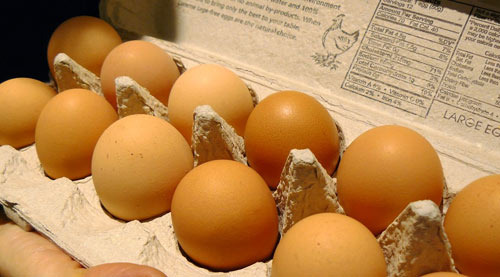
Recently, due to outbreaks of avian influenza (HPAI) in some areas of California, the price of eggs has reached $9 for a dozen.
Reasons for the Rise in Egg Prices
According to the U.S. Department of Agriculture (USDA), the price of eggs in California has increased by $0.78 to $8.97 for a dozen. This is a result of reduced supply, with some supermarkets selling a dozen egg packs for $9.52.
The USDA stated, "Egg demand has somewhat increased over the last two weeks of the previous year, which is due to concerns about supply shortages caused by the ongoing high-pathogenic avian influenza (HPAI) outbreaks." They added, "The loss of these flocks occurred at a time of surging demand, and similar to the impact of the HPAI outbreak in December 2022, wholesale prices have reached record levels."
The U.S. Food and Drug Administration (FDA) reported this week that U.S. egg production decreased by 4% in November, which is related to the rising egg prices and avian influenza outbreaks.
Kevin Bergquist from Wells Fargo's Agricultural and Food Research Institute explained that egg prices have remained high since 2023, a result of seasonal price increases during the holiday period combined with supply disruptions due to avian influenza.
Wholesale egg prices in November rose nearly 55%, but this does not necessarily reflect the prices consumers pay at the grocery store. Consumer prices can vary significantly.
According to the Consumer Price Index (CPI), grocery prices rose by 0.5% in November, with four out of six major grocery groups experiencing price increases. Among these, eggs saw the largest increase.
During November, prices for meat, poultry, and fish rose by 1.7%, while egg prices increased by 8.2%.
Eggs are an essential food item in many households, and rising prices directly impact family budgets. This price increase may also affect the prices of other food items, leading to an expected increase in consumers' food expenses.








 Weekend Movie Blog |
 Beauty, Health, Lifestyle Blog |
 coloradoman |
 Superman Cat Blog |
 Noodle Noodle |
  Tonky |
  viroma |
  cookie |
  Live and that's it |
  Alright Twain |
  eatontown blog |
  HAWAII Korean Church News |
  Amore |
  linex |
  Balancework |
  laro90 |
  MEDBIO American Doctor Blog |
  SWAT TEAM BLK |
  DREAM BIG |
  frostbite |
  330 Forever My Love |
  El Dorado |
  dralix58 |
  Gorama Round |
  Skydiving |