

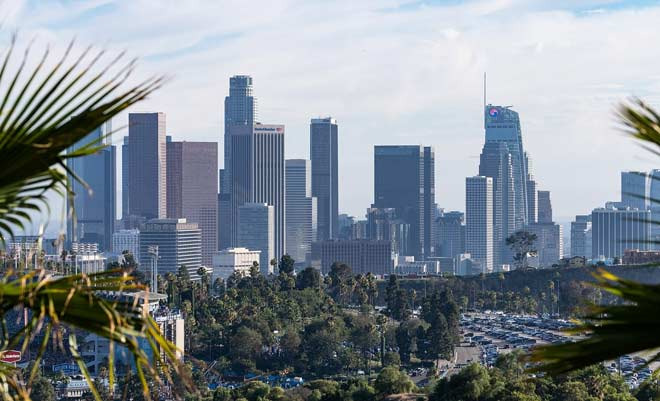
These days, when talking about commercial real estate in LA Downtown, everyone lets out a sigh. In the past, financial firms and large corporate offices were packed, and there were times when every restaurant had lines during lunch hours. However, now the vacancy rate has soared over 30%, and it's common to see floors in buildings with the lights off. Since the pandemic, as remote work has solidified, companies have been reducing space and consolidating, leading to many rental inquiries but fewer actual contracts.
Landlords are lowering rents and offering interior credits, but tenants are still hard to secure. While prime buildings are holding up, mid-tier buildings are facing deeper concerns. The retail situation is not much different. In the past, luxury stores and major brands occupied these spaces, but now closed shops are increasing, and large department stores have shut down. Instead, it seems that only businesses that can consistently attract people, like convenience stores, discount retailers, and experiential shops, are surviving.







 moo moo |
 ultron78 |
 garlic bread |
 Sugar Cream Door Bulletproof Noodles |
 urbanmint |
 Weekend Movie Blog |
 Beauty, Health, Lifestyle Blog |
 coloradoman |
 Superman Cat Blog |
 Noodle Noodle |
  Tonky |
  viroma |
  cookie |
  Live and that's it |
  Alright Twain |
  eatontown blog |
  HAWAII Korean Church News |
  Amore |
  linex |
  Balancework |
  laro90 |
  MEDBIO American Doctor Blog |
  SWAT TEAM BLK |
  DREAM BIG |
  frostbite |
  330 Forever My Love |
  El Dorado |
  dralix58 |
  Gorama Round |
  Skydiving |