

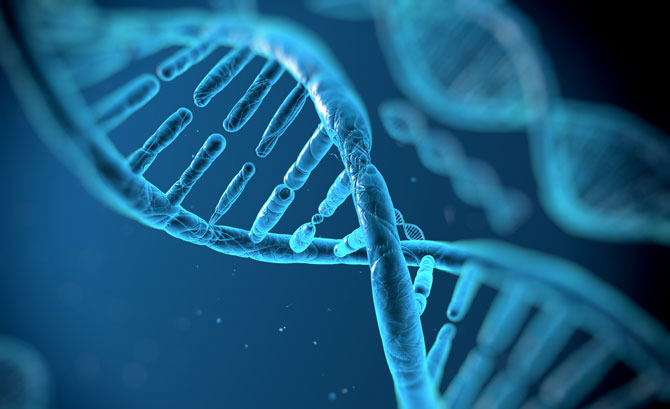
Everyone now knows that DNA contains all the blueprints of our body.
If you look closely at the DNA found in each cell, you will see an incredibly intricate code called "base sequence." This base sequence determines who we are, what characteristics we have, and even what diseases we are prone to.
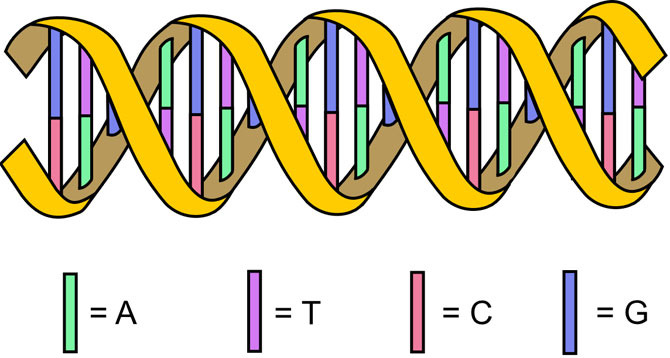
DNA is made up of four bases: adenine (A), thymine (T), guanine (G), and cytosine (C). These four bases pair up and connect, with A pairing with T and G pairing with C. This simple combination endlessly continues to form a long chain, which is the double helix structure of DNA. However, what is important is not the types of bases but their 'order,' that is, the base sequence. The order in which they are arranged, such as A-T-G-C-G-A-T..., becomes the content of genetic information, much like computer code or sheet music. If the order of the base sequence changes, the proteins produced will differ, and if the proteins differ, the functions and characteristics of our body will change.
In simple terms, the DNA base sequence is like a "recipe" for our body. For example, if there is a gene that determines 'hair color,' the combination of bases within it determines the amount of melanin pigment. If one base changes, the amount of pigment decreases, resulting in blonde hair, or conversely, it can darken to black hair. In this way, the base sequence affects eye color, skin tone, height, and even personality tendencies. But it is not just about appearance. It is also deeply related to diseases.
For instance, diseases like cancer, diabetes, and heart disease can arise from small mutations in genes. If some parts of the base sequence are damaged or the order is changed, specific proteins may not function properly, leading to cellular dysfunction. Some people have weak DNA repair genes, so when cancer cells form, they are not easily removed and continue to grow. Others may have mutations in the genes that regulate insulin, making them more susceptible to diabetes. Thus, the potential for diseases is often already embedded in the DNA base sequence.
For this reason, 'genetic testing' has become an important tool for health management these days. It can reveal what diseases one is vulnerable to, what nutrients one absorbs well, and even how quickly one responds to exercise. In fact, some people have weak caffeine metabolism genes, so if they drink a lot of coffee, their hearts race and they experience insomnia. On the other hand, some people can drink three cups a day without any issues. These differences arise from subtle variations in the base sequence.
Interestingly, the base sequence also affects not only health but also the efficacy and side effects of medications. Even when taking the same medication, some people recover quickly, while others experience side effects or no effect at all. This is called 'genetic drug response,' and it is ultimately due to differences in the base sequences of the genes that produce the enzymes that metabolize the drugs. Therefore, personalized medicine, or 'precision medicine' based on individual DNA information, is rapidly advancing.
Of course, DNA does not determine everything. Our environment, diet, exercise habits, and stress are also as important as DNA. Even identical twins with the same genes can have different health outcomes if they grow up in different environments. Thus, the DNA base sequence is like a map of possibilities, and how we navigate that path ultimately depends on our lifestyle choices.
Nevertheless, the information provided by the base sequence is immense. Scientists have decoded all the base sequences of the human genome, and we are now entering an era where we can predict and prevent future diseases through individual genetic analysis. In the past, the approach was "treating diseases as they arise," but now it has become possible to "prevent diseases before they occur."
That is why doctors say these days, "Your health is ultimately determined by your DNA." It may sound a bit extreme, but in the end, that statement is true. DNA is a book that already knows all the stories of our bodies, and science is now learning how to read that book.







 Weekend Movie Blog |
 Beauty, Health, Lifestyle Blog |
 coloradoman |
 Superman Cat Blog |
 novapixel |
  DREAM BIG |
  frostbite |
  330 Forever My Love |
  El Dorado |
  dralix58 |
  Gorama Round |
  Skydiving |
  dreamport |
  Yellow Snowman |
  Toaster Pizza Magic Show |
  velvetnom |
  Anytime Journey |
  Mrs. Duluth |
  jaxter |
  Atlanta Mama |
  Baguette Blog |
  Tan Sol |
  US Embassy |
  Korean Mom |
  My NYC |