

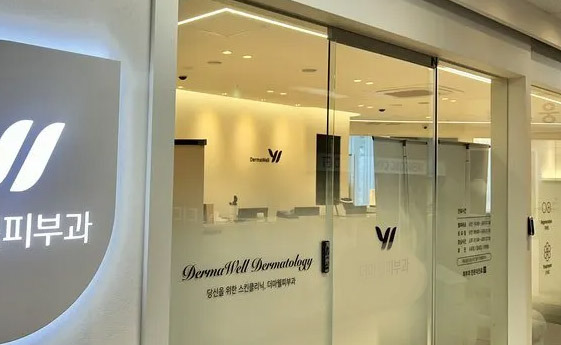
Have you heard the saying that once you get into medical school and become a doctor, you'll never have to worry about money again?
While it's true that being a doctor is generally a high-income profession, the question of whether they earn a lot varies significantly by country.
In Korea, dermatology (especially cosmetic dermatology) is the ultimate destination for top medical school graduates, whereas in the U.S., ophthalmology consistently ranks among the highest-earning specialties.
Why does this difference exist? Is it simply a matter of cultural preferences?
No, it's not. This is intricately tied to the healthcare insurance system, demographic structure, and market characteristics.
Let's delve into these fascinating details, reflecting the trends as of 2026.
Korea: Why Dermatology Became the Medical Top Tier
The reason why medical school graduates in Korea fiercely compete to enter dermatology is clear.
It's due to the "explosion of the non-covered cosmetic market" and the "paradox of the health insurance system."
Korea's healthcare system operates under the National Health Insurance. Whether you catch a cold or undergo major surgery, the patient's burden is minimal.
However, from a doctor's perspective, since the government controls prices, it's difficult to maximize profits solely through essential medical services.
This is where dermatology's cheat code, "non-covered (items not covered by insurance)," comes into play.
Botox, fillers, laser lifting (Ultherapy, Thermage, etc.), skin boosters, and more allow doctors to set their own prices.
Since there's no insurance claim process, there's no need to worry about reductions from the health insurance review board, and the amount paid by the patient directly becomes the hospital's revenue.
Korea is one of the countries with the lowest barriers to entry for cosmetic procedures in the world.
It's common to hear someone say, "I'm just going to get Botox during lunch break."
Particularly, the unique "factory-type/network-type medical system" of Korean dermatology boasts incredible volume and high turnover rates.
Thanks to a structure where one doctor operates multiple laser rooms, the revenue per unit time reaches an unparalleled level.
Dermatology has almost no emergency patients. There are no overnight shifts or weekend calls.
Moreover, since they don't perform life-threatening surgeries, the risk of medical lawsuits or disputes is extremely low compared to other specialties (surgery, obstetrics, etc.).
It perfectly aligns with the modern work philosophy of "working less, taking no risks, and earning more."
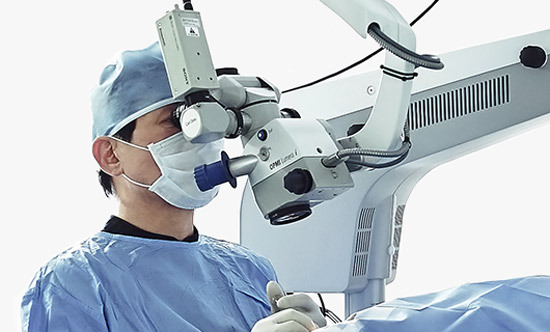
U.S.: Why Ophthalmology Became the Myth of $500,000 Salaries
On the other hand, the atmosphere completely changes when we move to the U.S.
Among U.S. medical students, ophthalmology is one of the "most competitive specialties" with the highest matching rates, and its average salary consistently competes with orthopedics and plastic surgery.
What's the secret behind this?
Many people misunderstand ophthalmology as just a place for "eye exams and eye drops," but in the U.S., ophthalmologists are "surgeons performing microsurgeries."
Cataract surgery, glaucoma surgery, LASIK/LASEK, and retinal surgery are primarily high-difficulty procedures performed by ophthalmologists.
Within the U.S. private health insurance system, the cost of these "surgeries" is much higher than what Koreans might imagine. A single surgery can cost thousands to tens of thousands of dollars, allowing for tremendous revenue from just a few procedures.
The U.S. is currently experiencing a massive aging society.
As the baby boomer generation, which makes up a large portion of the population, enters old age, the number of patients with cataracts, macular degeneration, and diabetic retinopathy has increased exponentially.
Eye diseases are critical to "quality of life," so patients never delay treatment, no matter how expensive it is.
This means there is a stable and enormous demand that is unaffected by economic downturns.
The American Academy of Ophthalmology and the medical community strictly limit the number of ophthalmologists licensed.
With demand overflowing and supply (number of doctors) low, the value of ophthalmologists naturally skyrockets.
Another advantage for U.S. ophthalmologists is that they can complete most cataract surgeries in their own private clinics (ASC: Ambulatory Surgery Center) without relying on large hospitals.
This structural advantage allows them to minimize operating costs while quickly handling high-revenue surgeries.
A Quick Comparison: Korean Dermatology vs. American Ophthalmology
When comparing the characteristics of popular specialties in both countries, the social and institutional features of each country are reflected like a mirror.
| Comparison Item | Korean Dermatology | American Ophthalmology |
| Main Revenue Source | Non-covered cosmetic procedures (Botox, laser) | High-difficulty cosmetic/treatment surgeries (cataracts, retina) |
| Market Dynamics | Beauty management craze, high accessibility | Aging population (increase in age-related eye diseases) |
| Health Insurance | 100% patient burden avoiding health insurance control (non-covered) | High costs of private insurance and Medicare (government insurance for seniors) |
| Work Type | Outpatient care and procedures (high volume possible) | Outpatient care + precise microsurgery (high unit price) |
Ultimately, this interesting difference is determined not by the individual preferences of doctors but by "where the healthcare system of each country allocates more money."
In Korea, within the excellent framework of health insurance, the paradoxically "non-covered cosmetic dermatology" has formed a legitimate and massive free market, generating ultra-high incomes.
In the U.S., the combination of a capitalist private insurance system and aging has directed substantial capital to ophthalmologists with "microsurgical techniques that restore the vision of the elderly."
While the countries differ, there is one commonality.
Both specialties are "slightly removed from life-and-death issues (vital) while dramatically enhancing patients' quality of life (QoL) or providing satisfaction, with fewer overnight shifts."
Indeed, there are scientific reasons why smart talents gravitate toward these fields!
 ToothpickGen
 AjummaIsKing
 SeaFocus
 PizzaDrone







 Tomato Health Club blog |
 Banana Style Life |
 crystalo |
 Investment Beginner Company Information Encyclopedia |
 Always Dreaming of Big Success |
 Nuchuhan Exploration BLOG |
 Sugar Cream Door Bulletproof Noodles |
 DOCTOR MED |
 U.S. Military Recruitment Information |
 Strawberry Pancake Warrior |
  sparkling |
  maryland park |
  persiste |
  conte |
  blueman |
  Going Once |
  Eldorado 88 |
  cherrydino |
  garlic bread |
  middlekick |
  Moscow Kim |
  nivex85 |
  quanta7 |
  horse |
  Egg Steamed Pot |
  Helpful Life Stories |
  UNI Lover |
  zen zeng |
  oh my salami |