

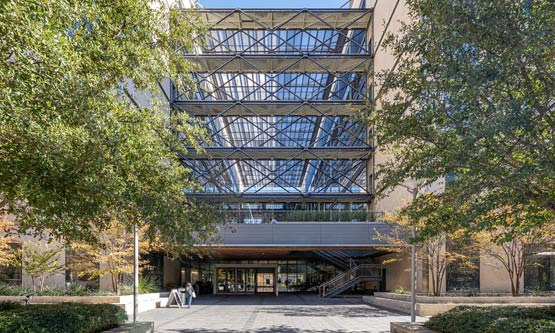
Austin's transformation brought on by the tech boom is clearly reflected in its cost of living numbers.
With a cost of living index estimated at 118, Austin has become a completely different city compared to just 10 years ago.
For those who associate Texas with low living costs, Austin is an exception.
As major tech companies like Amazon, Apple, Google, and Tesla have established their bases in Austin, income levels and consumer prices have risen rapidly.
The most noticeable increase is in housing costs. As of 2024, the estimated monthly rent for a 2-bedroom apartment in Austin and its suburbs is between $2,600 and $2,200.
Many analyses indicate that rent has increased by over 30-40% compared to 2019, placing it in the upper range of the national median rent ($1,500-$2,200). Prices decrease the further you go from the city center, with outer cities like Cedar Park, Round Rock, and Pflugerville offering rents in the range of $1,300 to $1,600. The median sale price for single-family homes is estimated to be between $400,000 and $550,000.
Grocery costs reflect Austin's unique consumer trends. With Whole Foods headquartered in Austin, a premium grocery culture has developed, and there is a high demand for organic and local ingredients. However, shopping at H-E-B or Kroger can help maintain reasonable prices.
The estimated monthly grocery cost for a family of four is around $800 to $1,200, which is positioned in the upper range of the national average. Korean ingredients are accessible thanks to the H Mart in Austin.
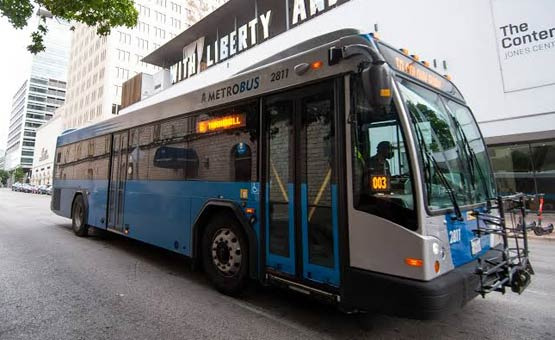
Transportation costs are high due to the reliance on personal vehicles in Texas. While the Austin Metro Bus (CapMetro) operates, there are limitations to public transportation coverage.
Texas has relatively low fuel taxes, but severe traffic congestion in downtown Austin has led to increased commuting times and rising fuel costs. Monthly transportation expenses are estimated to be around $700. Recent discussions about expanding the Capital MetroRail have raised expectations for future changes.
Understanding the characteristics of Texas's electricity market is essential for utility costs. Austin Energy, a city-owned utility, provides services within the Texas Independent Electric Grid (ERCOT). On average, the combined monthly cost for electricity, gas, and water is around $230, but interest in energy infrastructure has increased since the large-scale blackout in February 2021. During peak summer cooling seasons, electricity bills can exceed $300.
Compared to other cities in Texas, Austin's high cost of living stands out. When compared to Dallas (cost of living index 102), Houston (102), and San Antonio (92), it is clear how quickly Austin (118) has experienced rising costs. However, the salary levels in Austin's tech industry have also increased, which may make the burden of living costs feel relatively lighter for high-income professionals.
For Korean households, Austin is particularly attractive for those working in IT, healthcare, and education. Korean churches and parent groups are active, and access to Asian markets, including H Mart, has improved. Since the cost of living is 18% higher than the national average, it is important to carefully compare salary levels and actual living costs before relocating. Choosing to live in outer satellite cities may help reduce rental burdens to some extent.
 NightMoon
 RememberLife








 urbanmint |
 |
| 
 Premium Gas Camp |
 CA Real Estate |
 |
| 
 Living with a Consistent Heart |
 U.S. Weather Bureau News |
 Dallas Fort Worth DFW |
 novent |
  golfmaster |
  Montgomery Mom |
  squidogame |
  Noodle Noodle |
  Rhode Island Good People |
  Big North |
  Famous Attractions in the United States |
  Jin Soo V |
  Starbucks Reserve Roastery Closure |
  peppermint |
  Stable Co. |
  Purple Moons, |
  International Court |
  roma |
  horse |
  moodansa 77 |
  zymit |
  maplefox |
  Fun Flex Life |
  hopeful |