

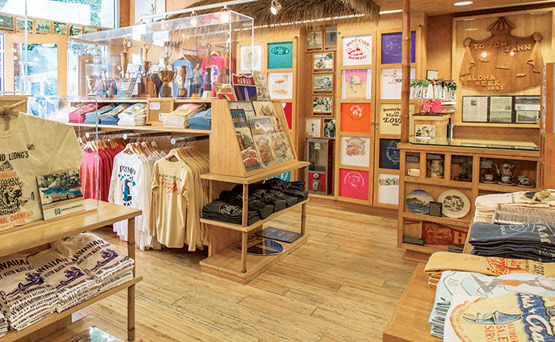
Living in Hawaii while raising kids naturally exposes you to the local business atmosphere.
When I drop my kids off at school and go to grab a coffee, the owner of my favorite café might say, "This month is going well," but a few months later, they might mention, "Business has really slowed down lately." The same goes for restaurants and souvenir shops.
Even though they operate in the same location, the atmosphere changes completely depending on the season. So, I looked into actual data to see if it's just a feeling or if there's something more concrete.
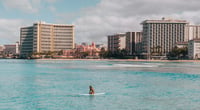
According to data from the Hawaii Tourism Authority, approximately 9.64 million visitors came to Hawaii in 2025, and the amount spent by tourists reached about $21.75 billion.
That's a huge figure, but this number doesn't get evenly distributed over the 12 months. December and January, which include winter break and the holiday season, along with the summer vacation season from June to August, are the peak seasons. Conversely, certain periods in spring and fall see a significant drop in tourists, classifying them as the off-season.
Even a slight decrease in tourist numbers can have a bigger impact on the local economy than expected. For instance, during the 2008-2009 financial crisis, the annual number of visitors dropped by about 1 million, leading to a decrease in tourism spending of around $3 billion.
While this is annual data, such declines are felt more acutely during the off-season. In Oahu, short-term rental occupancy rates can rise to the high 80s during peak season but can drop significantly during the off-season. This affects not just hotels but also rental cars, restaurants, and shopping malls in a chain reaction.
From my perspective in the IT industry, I see this not just as a matter of tourist numbers but as a cash flow issue. Most business owners need to generate enough revenue during peak season to cover off-season operating costs. However, recently, average rent has exceeded $2,000, and the cost of living remains much higher than the national average. With rising labor costs, utility bills, and food prices, I often hear that it has become much harder to survive the off-season than before.
On the other hand, there are challenges during the peak season when too many tourists arrive. Traffic congestion increases, beaches and tourist spots become crowded, and it affects the lives of local residents. Conversely, when tourist numbers drop, local businesses quickly lose their vitality. Ultimately, Hawaii has a unique economic structure where having too many or too few tourists presents its own set of challenges.
Therefore, for those looking to start a business in Hawaii, it's essential to plan to secure enough off-season operating costs for six months using the profits earned during peak season.
Starting a business only when tourists flock in presents too many variables. Hawaii is undoubtedly an attractive market, but understanding and preparing for the tourism economy, which fluctuates significantly with the seasons, is the most realistic way to survive in the long run.
 DonLeeCity
 Cinci
Cinci



 limestone |
 loran |
 DeArizona Blog |
 Swift Falcon |
 Tonky |
 Hawaii Tourist Information |
 HAWAII Korean Church News |


 ASURA |
  rapids |
  Softember |
  mykiwi blog |
  Maria Mom |
  Watch for possible danger |
  northpeak |
  Far East Movement |
  Light of the World |
  mariashin |
  lavender |
  Bridgo |
  Tamfa Fan |
  Sunny Sunday |
  mini hometown |
  torvia |
  Chichiki Chicago Train |
  Univ Student |
  See It |
  Con Cheese |