
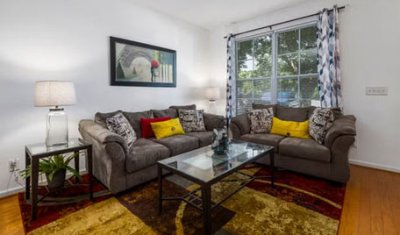
A retiree who consulted in Tacoma laid out the management cost statements for a single-family home in North End and a condo near downtown side by side, asking which one is actually cheaper. Even within Tacoma, the maintenance cost structure differs between neighborhoods with many older single-family homes like North End and those clustered around newly built condos near downtown. Therefore, the answer varies depending on the neighborhood.
Tacoma is part of Pierce County. The effective property tax rate in this county is about 0.88 percent, with a median home value of $574,500 and a median property tax of around $5,082 per year. While the tax rate is slightly higher than that of nearby King County, the lower home values result in a lower actual property tax. This property tax is something that must be paid regardless of whether it's a single-family home or a condo.
Single-family homes in older neighborhoods like North End often have aging roofs, plumbing, and boilers, making it difficult to predict when significant expenses might arise. In contrast, newly built condos near downtown typically have lower initial maintenance costs, but it's common for HOA fees to be set high. If the complex includes services like elevator or lobby management and security personnel, the monthly costs can be substantial.
Heating and cooling costs also vary slightly by neighborhood. The average electricity rate in Washington state is 10.13 cents per kilowatt-hour, and residential natural gas costs $17.62 per 1,000 cubic feet. Tacoma doesn't have a significant cooling burden in the summer, but winter brings frequent rain and cloudy days, leading to longer heating usage. Older single-family homes may incur higher heating costs even for the same square footage, while newly built condos tend to have better insulation and windows, resulting in relatively lower costs.
Washington state offers property tax exemptions for residents aged 65 and older or those with disabilities. The exemption rate varies based on income brackets, and the exact criteria can be confirmed through the Pierce County Assessor's Office. If eligible, maintaining an older single-family home may be worth reconsidering.
When viewing properties, don't just look at the neighborhood name; be sure to obtain an inspection report that assesses the condition of the home. Even within North End, a house with a recently replaced roof will have very different future maintenance costs compared to one that hasn't been touched in over 20 years. The same goes for condos. Don't just look at the management fee guide; also inquire whether there have been any special assessments in recent years and whether the building's reserve fund is sufficient to avoid unexpected large expenses later.
In practice, with the same budget, it's often possible to buy an older single-family home in North End or a new condo near downtown. If you can't give up having a yard, it makes sense to allocate a generous budget for maintenance costs on the single-family home. Conversely, if reducing management burdens is a priority, it's important to carefully examine what is included in the HOA fees for the condo. Ultimately, considering both the neighborhood and the type of housing will lead to a choice that fits your actual living situation.
If you are eligible for exemptions due to being 65 or older or having a disability, the effect of reduced property tax burden applies equally regardless of the neighborhood chosen. However, it's important to clearly distinguish that the exemption only applies to property taxes and does not reduce HOA fees or maintenance costs. The application process and criteria for property tax exemptions are the same whether in North End or near downtown, so confirming eligibility first will make calculations easier regardless of the neighborhood chosen.
Ultimately, even within the same city name, calculations can vary by neighborhood and the age of the home. Comparing the management cost statements for individual properties and recent maintenance expenditures is the most accurate approach. Property tax rates and utility costs can change annually, so be sure to verify with the latest data. This article is not investment or legal advice, and it is recommended to consult with a real estate professional and a tax advisor before finalizing any contracts.
 SpicyCupRamn
 DrSleepy







 Sugar Cream Door Bulletproof Noodles |
 urbanmint |
 |
| 
 Premium Gas Camp |
 CA Real Estate |
 explorer |
  endone |
 Mazinger Z Rocket Punch |
 American Blog Forge |
  horse |
  moodansa 77 |
  zymit |
  maplefox |
  Fun Flex Life |
  hopeful |
  Reeno |
  Coastal city |
  meonetoo |
  Winter bear |
  Peach Jam Eating Laughter |
  Nando Raldo |
  American Man in a Mask |
  wendra |
  silver |
  bada2002 |
  horizon |
  Nanana Nanana Nanana |
  victoria jung |
  Kkikki Ppappa Shout Out Loud |