
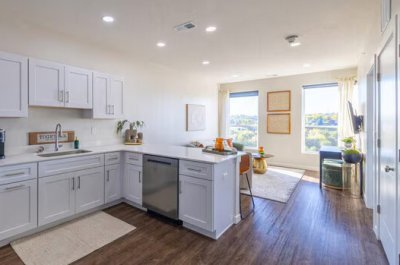
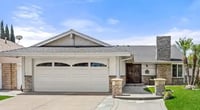
A retiree who has lived in the same house in Pasadena for nearly 40 years was recently shocked to receive a roof repair estimate. After being informed about plumbing issues as well, they began to contemplate whether to maintain their home with the repair costs or move to a condo with an HOA. Hearing that they double-checked the numbers on the estimate several times made me realize this is a common situation for retirees with older single-family homes.
The first thing to consider in this situation is heating and cooling costs. The residential rate for Pasadena Water and Power (PWP) in 2026 is 19.8 cents per kilowatt-hour, which is 43 percent lower than the California average of 34.7 cents. For a monthly usage of 900 kilowatt-hours, the bill would be about $187.70, and for 1,000 kilowatt-hours, it would be around $251.39. However, it's important to note that there are scheduled rate increases in April and October 2026, and March 2027, so while rates are low now, they may change in the future.
Next, let's look at home prices and HOA fees. As of June 2026, the median price for single-family homes in Pasadena is $1,249,950, while the median price for condos is $810,000. Condo listings range widely from $399,000 to nearly $4 million. The median HOA fee is $413 per month, but actual listings show fees ranging from $560 to $895 per month. For new condos, monthly fees typically range from $200 to $500. The fact that the HOA manages significant repairs like roofs and plumbing explains a large part of these costs.
We should also consider insurance costs. A single-family home requires personal insurance to cover the entire building, including the roof and plumbing, while condos often have the HOA collectively insured for the building structure, meaning personal insurance usually only covers interior structures and personal belongings. However, it's essential to check whether the HOA fees adequately reflect long-term reserve funds and if there have been any recent special assessments related to roofs or plumbing, as this can vary by listing.
Property taxes should also be reviewed. In California, Proposition 13 sets a basic tax rate of 1% based on the purchase price, and with local taxes added, the effective tax rate typically ranges from 1.1% to 1.3%. Older homes often have lower assessed values, resulting in lower property tax burdens, but selling and purchasing a new home will eliminate this benefit. Fortunately, if you are over 55, Proposition 19 allows you to transfer your existing property tax base to another home in California up to three times. If you are considering downsizing due to repair costs, checking this provision first may be a good step.
Coordinating the timing of selling and buying is also practically important. If you have significant repairs like a roof replacement coming up, you need to decide whether to sell after the repairs are completed or to factor the repair costs into the sale price. Asking a real estate agent for the expected net profit for both scenarios can help you plan your finances in line with the condo contract timing. Issues with old plumbing often come up during negotiations with buyers, so being aware of them in advance can put you in a better position for price adjustments.
A single repair estimate can often be the starting point for significant decisions. By comparing items that require large sums every few years, like roofs or plumbing, with the monthly fixed HOA costs over the same period, it may become easier to make a judgment. This article is not investment or legal advice, and it is recommended to consult with a real estate professional and a tax advisor before making any actual contracts.
 silverforestwalker1905
 PopcornDance







 Sugar Cream Door Bulletproof Noodles |
 urbanmint |
 |
| 
 Premium Gas Camp |
 CA Real Estate |
 Olivia's Blog |
 Various Knowledge and Information in the USA |
 Cali M Law Group |
 horse |
  moodansa 77 |
  zymit |
  maplefox |
  Fun Flex Life |
  hopeful |
  Reeno |
  Coastal city |
  meonetoo |
  Winter bear |
  Peach Jam Eating Laughter |
  Nando Raldo |
  American Man in a Mask |
  wendra |
  silver |
  bada2002 |
  horizon |
  Nanana Nanana Nanana |
  victoria jung |
  Kkikki Ppappa Shout Out Loud |