
Last week, a friend in our class posted a picture of a thermometer in our group chat. It showed a temperature of 101 degrees, and they mentioned they had started coughing. Following that, there were discussions about whether it was the flu, COVID-19, or if RSV was going around these days.
I was curious too, so I looked up information from the CDC. To cut to the chase, it's difficult to accurately distinguish between the three based solely on symptoms. The CDC notes that COVID-19 symptoms overlap with those of the flu and RSV, making it hard to differentiate.
However, each has slightly different characteristics. Knowing these can help you decide when to get tested and when to contact a doctor.
First, let's talk about the flu. According to the CDC, flu symptoms usually start suddenly. While a cold develops gradually, the flu hits abruptly, which was an interesting comparison in their chart.
Common symptoms include fever or chills, cough, sore throat, runny or stuffy nose, muscle aches, headaches, and fatigue. Children may also experience vomiting or diarrhea.
What surprised me was that not everyone with the flu has a fever. You can't dismiss the flu just because there's no fever.
RSV has a different pattern. According to the CDC, symptoms typically appear within 4 to 6 days after infection. Instead of coming all at once, they tend to appear gradually, one at a time.
Symptoms include runny nose, stuffy nose, decreased appetite, cough, sneezing, fever, and wheezing. In adults, it often resembles a cold, which can be confusing.
However, it's a different story for very young infants. They may only show signs of fussiness, decreased activity, or difficulty breathing. It's important to remember that RSV can become serious for infants, the elderly, and those with asthma or COPD.
COVID-19 has varying incubation periods depending on the variant. The CDC's clinical data indicates that during the Omicron period, the median incubation period was found to be between 3 to 4 days.
Symptoms like loss of smell or taste are often mentioned as signals of COVID-19. However, just because these symptoms are absent doesn't mean it's not COVID-19. Ultimately, testing is the answer.
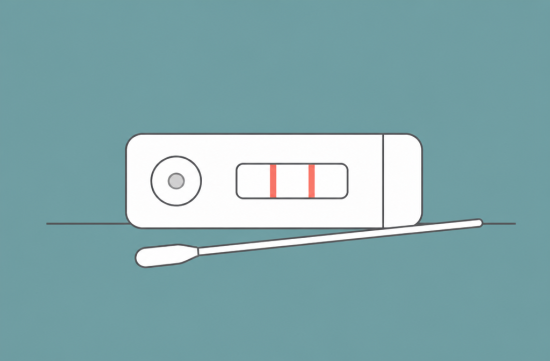
These days, many people are using at-home combo tests. This method uses one nasal swab to check for both COVID-19 and flu A and B.
The FDA approved Healgen's COVID-19 and flu A/B antigen test as an at-home test without a prescription in October 2024. It was the first at-home flu test approved through the formal review process rather than emergency use authorization.
This test can be used by individuals aged 14 and older who have symptoms. For children over 2 years old, an adult can assist with the test. Results are available in about 15 minutes.
However, RSV cannot be confirmed with this test. If you want to know about RSV, you need to get tested at a hospital or clinic.
Additionally, the FDA states that a negative antigen test result should not lead to immediate reassurance. If you have symptoms but test negative, they recommend retesting after 48 hours.
The reason for making these distinctions is that the timing of treatment differs. Understanding this has changed my mindset as well.
Antiviral medications for the flu are most effective when started within 48 hours of symptom onset. Especially for those at high risk for complications, prompt treatment is recommended.
COVID-19 treatment with Paxlovid should be started within 5 days of symptom onset. Having a positive result makes it easier to get a prescription, which is why testing is crucial.
For RSV, most mild cases are managed by resting and staying hydrated. Therefore, unless it's an infant or elderly person, the key is to monitor whether breathing is okay.
The CDC has also outlined signs that indicate you should contact a doctor immediately. For adults, these include difficulty breathing, persistent chest or abdominal pain, dizziness, or confusion.
For children, you should seek care if they are breathing rapidly or seem to be struggling, if their lips turn blue, or if their ribs are retracting while breathing. Infants under 12 weeks should be contacted if they have even a slight fever.
It's also a warning sign if symptoms seem to improve but then worsen again with fever or cough. I learned this for the first time too.
Now, let's summarize when it's okay to go outside. The CDC uses the same criteria for all three. If symptoms are generally improving and you've been fever-free for 24 hours without the use of fever-reducing medications, you can return to your daily activities.
However, for the next 5 days, they recommend additional precautions like wearing masks, social distancing, and handwashing. Even if you resume classes or work, it's wise to be cautious during these 5 days.
In the end, my friend tested positive for flu A with the combo test. They went to the clinic within two days to get medication and are now back at school with a pumpkin latte.
If I were in their shoes, I would first do the combo test at home if I started with fever and cough, and if I were at high risk or having trouble breathing, I would call the hospital right away. Everyone's situation is different, so be sure to consult a doctor or pharmacist before taking any medication.
Buying a test kit in advance is highly recommended this winter. It's really frustrating to go to the pharmacy when you're feeling sick.
 ShinRamen
 SunsetVision

 The Emperor Must Grow |

 squidogame |

 daddyyo |

 Top Beaches |
 Solo Yolo |

 Living in New Jersey blog |
 butterfly |


 The Yellow |


 ssome |
 skykong |
 Shining Our Own World |
 gardener 007 |
 golfmaster |
 Nanana Nanana Nanana |
 Who's watching? |
 endone |
 RockStar |
 Casa Mia |
 You Only Live Once |
 Hardworking CPA |
 Joyce 77 |
 Runner Kim |
 My Town My Way Blog |
 My Miami Stories |
 Entip |
 Tony Park |
 Jean Claude Bundang Blog |
 DJ DC BLOG |