
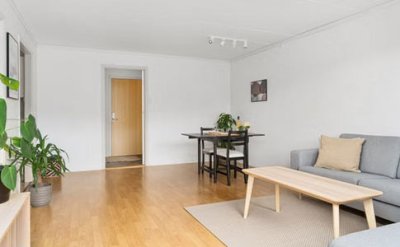
A couple who recently visited an active adult community in the northern Phoenix area mentioned that their concerns deepened after their visit. They currently live in a 4-bedroom single-family home, but with their children now independent, two of the rooms are almost empty. Every summer, when they see their air conditioning bills, they start to question whether it makes sense to maintain such a large house.
Phoenix is one of the hottest cities in the United States. There are over 80 days a year when temperatures exceed 100 degrees Fahrenheit (about 37.8 degrees Celsius), and across Arizona, air conditioning accounts for 25% of total household energy use. This figure is four times the national average. By the summer of 2025, the average air conditioning cost for Arizona households is expected to exceed $1,000, and the average monthly electricity bill for a typical household during the summer is estimated to be between $200 and $250. The larger and taller the single-family home, the greater this burden becomes.
So, how much difference would it make to downsize? As of 2025, the median price for single-family homes in Phoenix is between $475,000 and $485,000, while townhomes are around $359,500 and condos are about $298,000. Not only is the purchase price lower, but the cooling area itself is reduced, which also lowers summer electricity bills.
However, it's important to note that moving to a condo, townhome, or active adult community will introduce new HOA (Homeowners Association) fees. The HOA charges a monthly fee to manage landscaping outside the walls and community facilities, and in Arizona, these fees can vary significantly based on the level of service. It's wise to calculate the new HOA costs alongside the savings from reduced air conditioning expenses.
Regarding property taxes, seniors over 65 may want to consider the Senior Valuation Protection program. If you have lived in your home for more than two years and your income is below a certain threshold (as of 2025, $43,733 for a single person), you can apply to the county assessor to freeze your home's assessed value for three years. However, this only freezes the assessed value, not the tax rate itself, so if local tax rates increase, your actual bill may still change.
If you are moving from another state or from Korea, there are additional factors to consider. If you are coming from a state like California with high property taxes, you may find Arizona's tax burden lighter, but summer cooling costs could be significantly higher than what you experienced before, so it's good to plan for that. For those who have just moved from Korea, the concept of an HOA may be unfamiliar; it is similar to apartment management fees in Korea but tends to be more strictly enforced, with fines for violating landscaping or exterior regulations. Home insurance costs can also vary widely by region and insurer, so if you are planning a move, it's advisable to get actual quotes before making a final decision.
Here's a summary of the characteristics of single-family homes, townhomes, condos, and active adult communities:
- Single-Family Home - Offers ample space and privacy but has the highest maintenance burden for cooling costs, roofing, and yard care.
- Townhome - Lower purchase price and cooling area, but introduces new HOA fees and shares walls with neighbors.
- Condo - Lowest price burden and easy maintenance, but HOA fees are relatively high.
- Active Adult (55+) Community - Strong community with peers and amenities, but check age restrictions and HOA rules beforehand.
Deciding whether to keep your current home or downsize should realistically consider the total monthly expenses, including cooling costs, HOA fees, and property taxes. This article is not investment or legal advice, and it's recommended to consult with a real estate professional or county assessor before making any sales or valuation freeze applications.
 goldencloudmaker1948
 LuckyPeak77





 urbanmint |
 |
| 
 Premium Gas Camp |
 CA Real Estate |
 Kitchen Ideas |

 Toaster Pizza Magic Show |

 business lim |
  horse |
  moodansa 77 |
  zymit |
  maplefox |
  Fun Flex Life |
  hopeful |
  Reeno |
  Coastal city |
  meonetoo |
  Winter bear |
  Peach Jam Eating Laughter |
  Nando Raldo |
  American Man in a Mask |
  wendra |
  silver |
  bada2002 |
  horizon |
  Nanana Nanana Nanana |
  victoria jung |
  Kkikki Ppappa Shout Out Loud |