
Minneapolis has a climate with distinct four seasons, each exhibiting unique weather characteristics. Below, I will provide a narrative description of the monthly average temperatures (in Fahrenheit and Celsius), average precipitation, and information on major natural disasters throughout the year without tables.
Monthly Average Temperature
January: Winters in Minneapolis are quite cold. The average high temperature is about 23°F (-5°C), and the average low temperature is around 5°F (-15°C). This period often accompanies cold waves and heavy snowfall, which can significantly impact transportation.
February: The cold winter continues, with an average high temperature of 26°F (-3°C) and a low of 8°F (-13°C). This is a time of heavy snowfall, with a high likelihood of blizzards.
March: The month that signals the start of spring, with an average high temperature of 36°F (2°C) and a low of 17°F (-8°C). Temperatures gradually rise, but cold weather persists.
April: Spring fully arrives, with an average high temperature of 52°F (11°C) and a low of 28°F (-2°C). Precipitation increases, and spring rains occasionally occur.
May: Transitioning to warm spring weather, the average high temperature is 68°F (20°C) and the low is 39°F (4°C). This is the season when flowers bloom and greenery flourishes.
June: The start of summer, with an average high temperature of 80°F (27°C) and a low of 49°F (9°C). Hot weather begins, and humidity starts to rise.
July: The hottest month in Minneapolis, with an average high temperature of 84°F (29°C) and a low of 54°F (12°C). Often, hot weather persists, requiring preparations to cool off.
August: Summer weather continues, with an average high temperature of 82°F (28°C) and a low of 52°F (11°C). High humidity can lead to uncomfortable weather.
September: The start of autumn, with an average high temperature of 73°F (23°C) and a low of 43°F (6°C). The weather gradually cools, allowing for beautiful scenery as leaves change color.
October: Autumn deepens, with an average high temperature of 58°F (14°C) and a low of 31°F (-1°C). This is the time when chilly weather and peak fall foliage occur.
November: The return of winter's chill, with an average high temperature of 42°F (6°C) and a low of 19°F (-7°C). This is the time when the first snow begins to fall, and the weather rapidly turns cold.
December: Winter returns, with an average high temperature of 28°F (-2°C) and a low of 7°F (-14°C). Cold waves and heavy snowfall frequently occur, significantly impacting daily life.
Monthly Average Precipitation
The annual average precipitation in Minneapolis is approximately 32 inches (about 813mm), with significant seasonal variation. The highest precipitation occurs in spring and summer, particularly with heavy rains in May and June. In autumn and winter, precipitation generally decreases, but winter precipitation mainly consists of snow. Thunderstorms and lightning frequently occur in summer, sometimes resulting in heavy rain.
Natural Disaster Information
Minneapolis is generally considered a relatively safe city, but there are risks associated with certain natural disasters. Below, I will explain the major natural disasters and their impacts.
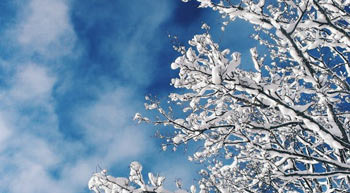
Heavy Snow and Cold Waves: Minneapolis receives a lot of snow in winter, especially between December and February when heavy snowfalls frequently occur. Heavy snow can significantly impact traffic and daily life, and cold waves can pose health risks, necessitating proper preparations.
Heavy Rain and Flooding: In spring and summer, heavy rains can occur, leading to river flooding and urban flooding. Minneapolis is located near the Mississippi River and several canals, which can increase the risk of flooding. Flooding from heavy rain can damage residential and commercial areas, so preparations are necessary.
Tornadoes: While the likelihood of tornadoes occurring in Minneapolis is low, they can occur rarely. In the event of a tornado, quick evacuation and safety measures are crucial.
Thunderstorms and Lightning: These occur frequently in summer and can be accompanied by strong lightning, hail, and high winds. Such thunderstorms can cause building damage and power outages, so it is advisable to stay indoors for safety.
Blizzards: When strong blizzards occur, visibility can rapidly decrease, and transportation can become paralyzed. Blizzards accompany extreme weather conditions, so preparations are necessary.
Additional Information and Preparedness
Climate Preparedness: In winter, it is advisable to prepare thick clothing and winter gear, and to equip vehicles with snow chains and winter tires. Check indoor heating systems and prepare emergency food and water. In summer, it is important to stay hydrated and rest in cool places, as well as to check cooling systems and prepare measures to prevent heatstroke.
Disaster Preparedness: Prepare an emergency kit that includes a first aid kit, flashlight, batteries, emergency food, water, and a radio, and it is important to establish an emergency evacuation plan with your family and designate evacuation locations in advance. Actively utilize the alert systems of local weather services and disaster management agencies to be prepared for quick responses.
Minneapolis has a climate with distinct four seasons, each exhibiting unique weather characteristics. It is important to prepare for various weather conditions such as winter heavy snow and cold waves, as well as spring and summer heavy rain and thunderstorms. Additionally, it is necessary to establish preparedness measures for natural disasters to maintain a safe living environment. Based on an understanding of Minneapolis's climate and natural disaster information, I hope you can lead a safer and more comfortable life.







 moo moo |
 ultron78 |
 garlic bread |
 Sugar Cream Door Bulletproof Noodles |
 urbanmint |
 Minnesota Lakes and Clouds |
 quatspace |
 chiobase |
 U.S. Weather Bureau News |
 yentra |
  Make My Day |
  Victory 1988 |
  Tonky |
  viroma |
  cookie |
  Live and that's it |
  Alright Twain |
  eatontown blog |
  HAWAII Korean Church News |
  Amore |
  linex |
  Balancework |
  laro90 |
  MEDBIO American Doctor Blog |
  SWAT TEAM BLK |
  DREAM BIG |
  frostbite |
  330 Forever My Love |
  El Dorado |