
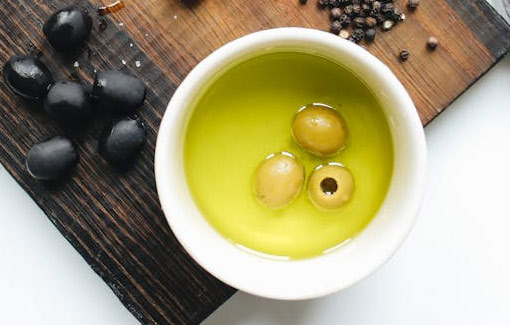
Olive oil has been known as a beneficial food for health and beauty since ancient times, and it is widely used in the diets and lifestyles of many people today. Especially as a key element of the Mediterranean diet, olive oil is noted for its rich nutrients and health-promoting effects. Below, we introduce the main effects of olive oil and various ways to use it.
1. Main Effects of Olive Oil
(1) Improvement of Cardiovascular Health
- Olive oil is rich in monounsaturated fatty acids (MUFA), which help reduce bad cholesterol (LDL) and increase good cholesterol (HDL).
- It contains antioxidants (polyphenols) that reduce inflammation and prevent arteriosclerosis.
- Regular consumption can lower the risk of heart disease, hypertension, and stroke.
(2) Antioxidant Effects and Anti-Aging
- The vitamin E and polyphenols in olive oil have strong antioxidant properties.
- These components help prevent cell damage and contribute to slowing down aging in the skin and body overall.
(3) Improvement of Digestive Health
- Olive oil aids digestion and is effective in alleviating issues like acid reflux, constipation, and intestinal health problems.
- It protects the stomach lining and promotes bowel movement, helping to prevent constipation.
(4) Inflammation Relief
- The component oleocanthal found in olive oil acts as a natural anti-inflammatory and is useful in alleviating symptoms of arthritis and chronic inflammatory diseases.
(5) Weight Management
- Monounsaturated fatty acids help maintain satiety for longer, preventing overeating.
- Olive oil provides healthy fats compared to other high-fat foods and is an essential element of the Mediterranean diet that aids in weight loss.
(6) Blood Sugar Control
- Olive oil helps regulate blood sugar and insulin sensitivity.
- It is recommended as a beneficial fat source for diabetics.
(7) Skin and Hair Health
- The vitamin E and fatty acids in olive oil are excellent for skin moisturizing, UV protection, and maintaining hair shine.
- It is safe for sensitive skin and can help regenerate dry or damaged areas.
2. Ways to Use Olive Oil
(1) Culinary Uses
- Salad Dressing: Drizzle olive oil over salads or mix it with balsamic vinegar to use as a dressing.
- Pasta and Bread: Drizzle over pasta to enhance flavor or use as a dip for baguettes.
- Low-Temperature Cooking: Use it for sautéing or roasting at low heat to preserve nutrients.
- Soup Topping: Drizzle a spoonful over finished soup to enhance flavor.
(2) Skin and Beauty Care
- Skin Moisturizing: Apply a small amount to the skin after bathing or before sleeping for moisturizing effects.
- Makeup Remover: Soak a cotton pad with olive oil to gently remove makeup.
- Hair Care: Apply olive oil to dry or damaged hair and wash it out after 20-30 minutes for added shine and moisture.
(3) Consumption for Health Benefits
- Morning Empty Stomach Intake: Consuming a spoonful of olive oil on an empty stomach in the morning can enhance digestive health.
- Smoothie Addition: Adding a bit to smoothies or fruit juices can provide healthy fats.
- Herb Oil Use: Infuse olive oil with herbs (like basil, rosemary, etc.) for flavorful herb oil.
(4) Homemade Product Uses
- Scrub: Mix olive oil with sugar or salt to use as an exfoliant.
- Lip Balm Alternative: Apply a small amount to dry lips to keep them moisturized.
3. Choosing and Storing Olive Oil
(1) Choosing Olive Oil
- Extra Virgin Olive Oil: The highest quality oil, made by pressing without chemical treatment. It has rich nutrients and a strong flavor.
- Light Olive Oil: With a light taste and smell, it is suitable for high-temperature cooking.
- Filtering: Whether to filter or not can be chosen based on personal preference; filtered oil offers a clean taste, while unfiltered oil provides a stronger flavor.
(2) Storage Methods
- Block Light and Heat: Olive oil is sensitive to light and heat, so it should be stored in a dark bottle in a cool, dry place.
- Seal the Lid: Since exposure to air can cause rapid rancidity, the lid should be tightly closed after use.
4. Precautions
- While olive oil is beneficial for health, heating it at high temperatures can destroy its nutrients, making it unsuitable for high-temperature cooking.
- The recommended intake is about 1-2 tablespoons per day, as excessive consumption can lead to excess calories.
Olive oil is an excellent source of healthy fats, effective in various aspects such as cardiovascular health, skin beauty, and digestive improvement. By choosing and using olive oil correctly in cooking, skincare, and health management, you can take care of both your body and mind.







 Weekend Movie Blog |
 Beauty, Health, Lifestyle Blog |

 coloradoman |
 Superman Cat Blog |
 Noodle Noodle |
  Tonky |
  viroma |
  cookie |
  Live and that's it |
  Alright Twain |
  eatontown blog |
  HAWAII Korean Church News |
  Amore |
  linex |
  Balancework |
  laro90 |
  MEDBIO American Doctor Blog |
  SWAT TEAM BLK |
  DREAM BIG |
  frostbite |
  330 Forever My Love |
  El Dorado |
  dralix58 |
  Gorama Round |
  Skydiving |