
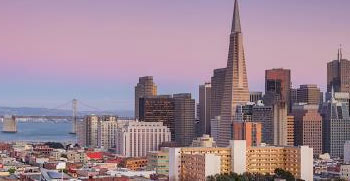
San Francisco is a port city located in the northern Bay Area of California, and it is the second largest metropolitan area in California. Unlike other cities in California where multiple cities form a single county, San Francisco uniquely constitutes an independent county.
San Francisco is famous for its sudden weather changes. There can be significant temperature differences within the city on the same day, and temperatures can change rapidly throughout the day. For example, while the coast may experience a chilly breeze, the downtown or park areas can have warm weather.
The monthly average temperatures and precipitation in San Francisco are as follows:
- January: Average high of 55°F (13°C), low of 41°F (5°C), precipitation of 4.4 inches (111mm)
- February: Average high of 59°F (15°C), low of 45°F (7°C), precipitation of 3.2 inches (80.5mm)
- March: Average high of 61°F (16°C), low of 46°F (8°C), precipitation of 3.1 inches (77.7mm)
- April: Average high of 64°F (18°C), low of 48°F (9°C), precipitation of 1.4 inches (34.8mm)
- May: Average high of 66°F (19°C), low of 50°F (10°C), precipitation of 0.2 inches (4.8mm)
- June: Average high of 70°F (21°C), low of 52°F (11°C), precipitation of 0.1 inches (2.8mm)
- July: Average high of 72°F (22°C), low of 54°F (12°C), precipitation of 0.03 inches (0.8mm)
- August: Average high of 72°F (22°C), low of 55°F (13°C), precipitation of 0.05 inches (1.3mm)
- September: Average high of 73°F (23°C), low of 55°F (13°C), precipitation of 0.2 inches (5.1mm)
- October: Average high of 70°F (21°C), low of 52°F (11°C), precipitation of 1.2 inches (31mm)
- November: Average high of 62°F (17°C), low of 47°F (8°C), precipitation of 2.9 inches (72.6mm)
- December: Average high of 56°F (13°C), low of 43°F (6°C), precipitation of 3.1 inches (78.5mm)
The annual average precipitation is about 24.6 inches (625.1mm), primarily concentrated during the winter months from November to March. Although the amount of precipitation is not high, frequent rain and high humidity can be uncomfortable. Especially in winter, the combination of strong winds and rain can make the temperature feel even lower.
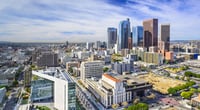
Being 385 miles north of the LA area (a 6-hour drive), San Francisco tends to have cooler and chillier temperatures compared to LA. The summer in San Francisco is different from that of typical summer cities. Particularly from June to August, the mornings and evenings can be chilly, with average temperatures around 60°F (15°C), so travelers often need to prepare warm clothing even in summer.
San Francisco frequently experiences thick fog even in summer. This phenomenon occurs when cold Pacific winds meet warm land, especially severe in the mornings and evenings. While the fog creates iconic scenery for the city, it can also limit visibility, lower temperatures, and increase humidity, leading to discomfort.
The highest recorded temperature in San Francisco was 106°F (41°C) on September 1, 2017, while the lowest was 27°F (-3°C) recorded on December 11, 1932.
There are significant weather differences even within the city of San Francisco. For example, the Richmond and Sunset districts often experience fog and chilly weather, while the Mission District or SOMA area frequently enjoys warmer and clearer weather.




 Peter Pan Pet |

 Nuchuhan Exploration BLOG |
 Sugar Cream Door Bulletproof Noodles |
 Moscow Kim |
 DREAM BIG |
  frostbite |
  330 Forever My Love |
  El Dorado |
  dralix58 |
  Gorama Round |
  Skydiving |
  dreamport |
  Yellow Snowman |
  Toaster Pizza Magic Show |
  velvetnom |
  Anytime Journey |
  Mrs. Duluth |
  jaxter |
  Atlanta Mama |
  Baguette Blog |
  Tan Sol |
  US Embassy |
  Korean Mom |
  My NYC |