
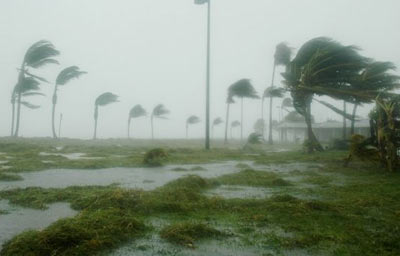
West Covina receives an average of about 35 days of rain annually. This is similar to other inland cities in California and is considered relatively low. Rainfall is mainly concentrated in the winter and early spring, with almost no rain during the summer. However, sudden heavy rains can occur during El Niño events or monsoon seasons.
Monthly Average Rainfall
The monthly average rainfall in West Covina varies significantly depending on the season and monsoon effects. The average rainfall for each month is as follows:
West Covina
- January: about 2.5 inches
- February: about 2.8 inches
- March: about 2.3 inches
- April: about 1.0 inch
- May: about 0.5 inches
- June: about 0.2 inches
- July: about 0.0 inches
- August: about 0.1 inches
- September: about 0.2 inches
- October: about 1.0 inch
- November: about 1.8 inches
- December: about 2.6 inches
Main Features:
- Winter (December to February): This is the period with the most rainfall, and frequent thunderstorms can occur due to monsoon effects.
- Spring (March to May): Rainfall gradually decreases in spring, leading to dry weather. However, strong thunderstorms can occur in March due to monsoon effects.
- Summer (June to August): Very dry, with short and intense rainfall occurring rarely during the monsoon season.
- Autumn (September to November): Rainfall increases again in autumn, especially in October and November, when monsoon effects can lead to higher precipitation.
Record Rainfall
Record Rainfall: The highest recorded rainfall in West Covina occurred during a monsoon downpour in July 1995, with 5.0 inches (about 127mm) of rain. This amount of rainfall resulted from a concentrated period of rain, causing severe flooding and inundation in the area.






 Nanana Nanana Nanana |
 cathywhite |
 dictionary |
 West Kong |

 US Embassy |
  Korean Mom |
  My NYC |
  moo moo |
  Mr Oh |
  forevergee |
  festival |
  manchester |
  constant |
  Leapfrog Move |
  vibranto |
  Tora Tora |
  yellowbutter |
  Dolly |
  NYC saladbar |
  Finding Superfoods |
  lightyear |
  song bang |
  vexomo |
  Indiana Jones |