
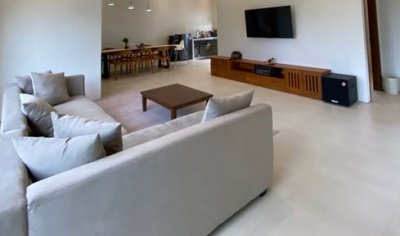
Last winter, a retired couple living in Rapid City was shocked when they received their heating bill. The amount was significantly higher than in previous years. We compared the options of maintaining their current single-family home versus moving to a townhome, considering the same budget. A single bill can sometimes prompt a major decision after several years.
The average electricity bill in Rapid City is around $182 per month. According to Black Hills Energy's 2026 rate schedule, a household using 650 kilowatt-hours per month would pay about $99, while one using 1,000 kilowatt-hours would incur approximately $145. Additionally, Black Hills Energy has applied for a rate increase for the first time in 12 years, with temporary rates set to take effect in August 2026, and a final decision expected in the first quarter of 2027. Given the long and cold winters in the area, any increase in heating costs is felt acutely. For this couple, the higher bill served as a signal that rates might continue to rise.
If they choose to maintain their current single-family home, they will have to manage everything from the heating system to the roof and snow removal themselves. If rates go up, they will bear the full brunt of those increases. Moving to a townhome would reduce the space that needs heating, and the homeowners association (HOA) would take care of roof and exterior maintenance. However, they should consider that there will be a separate monthly management fee.
The median listing price for single-family homes in Rapid City is $399,000 as of August 2026, while the actual median sale price is $360,500. Townhomes in the downtown area have a median listing price of $299,000 as of February 2026, with prices ranging from $289,900 to $574,900. Condos are priced at around $211,300 for a one-bedroom and $290,300 for a two-bedroom. This survey did not confirm the average HOA fees for Rapid City townhomes or condos, so it is recommended to check individually for each listing. Active Adult Communities, which are for residents aged 55 and older, are gradually emerging near Rapid City, and the fact that the community manages winter snow removal and heating system maintenance may appeal to those who, like this couple, are surprised by winter bills.
The effective property tax rate in Pennington County, where Rapid City is located, is 1.00%, and the average annual property tax for a typical homeowner is about $3,591. There is an Assessment Freeze program available for those aged 65 and older or individuals with disabilities, which allows for the freezing of assessed value if the income is below $56,595 for singles or $66,885 for multi-person households, and the home value does not exceed $514,500 as of 2025. Applications must be submitted by April 1 each year and require annual renewal. The city of Rapid City also operates a separate property tax rebate program for residents participating in this program.
- Single-family home - Must absorb the full increase in heating costs but offers more space and autonomy.
- Townhome - Reduced heating area and shared maintenance burden, but HOA fees are a fixed monthly expense.
- Condo - Least management and heating burden, but selection of listings is limited.
- Active Adult Community - Free from winter management worries but generally the most expensive option.
Ultimately, this couple decided to apply for the Assessment Freeze to reduce their property tax burden and stay in their single-family home for a few more years while monitoring the townhome market. Considering the trends in heating costs and management burdens, it may be wise to utilize the program first rather than rush into a decision. This article is not investment or legal advice, and it is recommended to consult with a real estate or tax professional before making any actual decisions.
 DailyWalk
 blueforest1974







 Sugar Cream Door Bulletproof Noodles |
 urbanmint |
 |
| 
 Premium Gas Camp |
 CA Real Estate |
 U.S. Weather Bureau News |
 Mr. Midwest America |
 Dakota Man Blog Thanks |
 Golf Club News and Information |
 horse |
  moodansa 77 |
  zymit |
  maplefox |
  Fun Flex Life |
  hopeful |
  Reeno |
  Coastal city |
  meonetoo |
  Winter bear |
  Peach Jam Eating Laughter |
  Nando Raldo |
  American Man in a Mask |
  wendra |
  silver |
  bada2002 |
  horizon |
  Nanana Nanana Nanana |
  victoria jung |
  Kkikki Ppappa Shout Out Loud |