


Known as the gateway city to the Black Hills, Rapid City, South Dakota, is a small city with a population of around 75,000. However, the ongoing deployment of the B-21 Raider bomber at Ellsworth Air Force Base is an interesting case of how the local economy is changing. The regional population is showing a gradual increase even outside of the tourist season, driven by an influx of retirees and military-related personnel.
The industrial base consists of three pillars: tourism, defense, and healthcare. Tourist attractions, including Mount Rushmore, still play a significant role in the local economy, while the expansion of facilities at Ellsworth Air Force Base due to the introduction of the B-21 bomber is leading to billions of dollars in construction projects, resulting in an increase in construction and defense-related jobs. The healthcare sector, centered around Monument Health, is also a major employer in the area, with steady hiring due to hospital expansions.
The unemployment rate is around 2%, which is among the lowest in the nation, and the fact that South Dakota does not impose a personal income tax is often cited as a factor supporting the influx of military families and retirees. While income growth is not rapid, it is showing a gradual upward trend thanks to investments related to the military base, and wage increases in the construction sector are also being observed. The income disparity between the tourist season and off-season is significant, so viewing it on an annual average may provide a more accurate perspective.
The key to infrastructure investment is undoubtedly the expansion of Ellsworth Air Force Base, along with ongoing downtown redevelopment, road network improvements, and the creation of new residential areas. Discussions are also taking place in the community regarding the expansion of school facilities in anticipation of the influx of Air Force personnel, and the enhancement of hospital and emergency medical infrastructure is being reviewed in line with population growth.
In regional economic analysis, there is a view that Rapid City has the potential to establish a stable employment base in the medium to long term by leveraging military infrastructure investments. However, the high dependency on specific projects due to the characteristics of a small city and the significant seasonality of the tourism industry are also pointed out as risk factors. The contraction of consumer spending during the winter off-season is a variable that local businesses consistently face, and it is also important to monitor how changes in defense budget policies may impact the local economy in the long run.
From the perspective of Korean households, Rapid City may not be a large city, but the benefits of no income tax, a stable economy based on the military base, and relatively affordable housing prices make it a region worth considering for retirees or military-related families. However, the limited Korean community and amenities in this small city are aspects that should be carefully considered before making a decision to reside here.
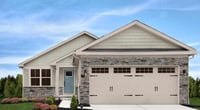
From a housing perspective, areas closer to Ellsworth Air Force Base tend to have stable rental demand, and there is a short- to medium-term rental market targeted at military families. However, due to the nature of a small city, the number of available listings is limited, which may result in a longer search for desired conditions.
In summary, Rapid City is a city that has secured a clear growth driver through military base investment. Looking ahead ten years, there is a prospect that this investment could lead to sustained job creation and population influx, but the reliance on tourism and the inherent volatility of small cities must also be taken into account.
 Dream88
 CocoChute





 garlic bread |
 Sugar Cream Door Bulletproof Noodles |
 urbanmint |
 |
| 
 Premium Gas Camp |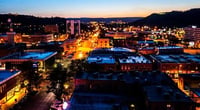
 Dakota Man Blog Thanks |
 Dreams Come True as Desired |
 Mr. Midwest America |
 ollege Mom |
  Esther 1983 |
  Arizona AZ Cowboy |
  fortbliss |
  Moscow Kim |
  My Two Way |
  toastyfox |
  FLORIDA Acus |
  tracker |
  TONTON COFFEE |
  sunrise |
  ultron78 |
  uplifted |
  Folding Instructions |
  same same life |
  USA Hyundai Kia |
  morvex37 |
  BOL SA RAM |
  TOUCHE NEWS |
  Small Business Information USA |