

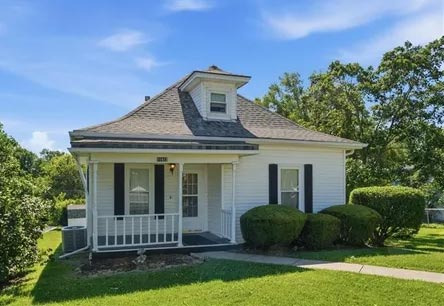
Kansas City is known for having relatively reasonable housing prices compared to other major cities in the United States.
With a lower cost of living compared to large cities like New York, Los Angeles, and Chicago, and well-developed urban infrastructure, the population moving in from other areas has been increasing recently.
Today, we have compiled an overview of the housing prices in Kansas City and the metro area based on 2025 data.
According to data from late 2024 to early 2025 for downtown Kansas City, MO, the median price for single-family homes is around $225,000 to $260,000.
This is significantly lower compared to the national median home price (which is over $400,000). However, this figure represents the overall average for the downtown area, and there can be considerable price variations depending on the neighborhood. Areas close to downtown or popular residential neighborhoods like Brookside, Waldo, Westport, and Crossroads Arts District can see median prices exceeding $300,000.
Overland Park, KS, is one of the areas with the highest home prices in the Kansas City metro area. It combines good school districts, a pleasant living environment, and convenient infrastructure, maintaining steady demand.
The median price for single-family homes in Overland Park is around $380,000 to $450,000, and in areas with many new luxury homes, prices can easily exceed $500,000. Although prices have been on the rise in recent years, the pace of increase has somewhat slowed since the second half of 2024 due to the impact of rising interest rates.
In Lee's Summit, MO, the median home price is about $320,000 to $380,000. It is considered a cost-effective area with good school districts, being cheaper than Overland Park. Particularly, it has many new developments, making it a popular choice for families looking for new homes.
Within Lee's Summit, there are more new homes in the eastern development areas compared to the western side (toward Kansas City), and the price range is generally higher.
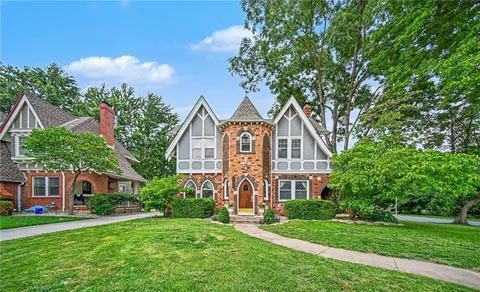
The median home price in Olathe, KS, is around $330,000 to $390,000.
It is relatively affordable and has good school districts, making it a popular choice for young families, especially since new housing developments are consistently being built, providing various options.
If you are looking for more affordable housing, you might consider the eastern areas of Kansas City, MO, or Kansas City, KS (KCK). KCK has a median home price of about $150,000 to $200,000, making it one of the most affordable areas in the Kansas City metro. However, this area tends to have lower evaluations in terms of school districts and safety compared to other regions, so thorough research is necessary.
Let's also look at additional costs to consider when purchasing a home. Both Missouri and Kansas impose property taxes. The average property tax rate in Missouri is about 0.9% to 1.1%, while Kansas has a slightly higher rate of about 1.2% to 1.5%.
For example, for a $400,000 home in Kansas, you would pay around $5,000 annually in property taxes. Additionally, if the home is in a community with homeowner's insurance and HOA (Homeowners Association) fees, those monthly costs should also be included in your budget.
Mortgage rates are projected to be in the 6% to 7% range for 2024 to 2025, making the actual monthly payment as important a variable as the home price itself. For instance, if you buy a $350,000 home with a 20% down payment ($70,000) and borrow $280,000 at a fixed rate of 6.5% for 30 years, your monthly principal and interest payment would be about $1,769. When you add property taxes, insurance, and HOA fees, the actual monthly housing cost could exceed $2,200 to $2,500.
The Kansas City housing market consistently ranks high among cities nationwide for livability. The Kansas City metro area was also included in the top rankings of U.S. News & World Report's "Best Places to Live" for 2023-2024.
With reasonable housing prices, low living costs, relatively low traffic congestion, and a diverse cultural, sports, and dining infrastructure, this city has a competitive edge.
Given that homeownership is realistically attainable compared to other major cities, Kansas City is expected to continue seeing steady demand for relocation.
 DolphinBusk
 RudolphPad
 CornShoe


 cheesepup |
 breezem |
 yentra |
 virex |
 vexon87 |
 calvix |
 Rynex |
 Ansaso |

 Kansas City Representative Singer |
  Springs Korea |
  nixon |
  mini hometown |
  Gleeee |
  MacMorningBlog |
  ASURA |
  Elastico |
  shaket |
  vionoo |
  chocolate |
  Whisper |
  Star Voyager |
  InDiGo |
  Rocky Mountains |
  Whoever It Is, I Don't Know |
  Why Not Me |
  Plastic Rose |
  Rice Shop Uncle BLOG |
  Victory 1988 |
  Gook Rule |