
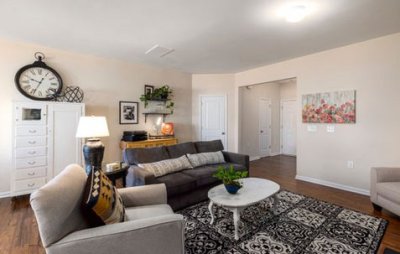
Let's start with closing costs. If you only calculate the down payment and overlook the closing costs, your budget can easily go off track. Typically, closing costs range from 2% to 5% of the loan amount, which should be taken into account first.
According to Redfin, the median sale price in Kansas City is $305,000 as of May 2026, an increase of 8.9% compared to the previous year. Zillow estimates the average home value to be slightly lower at $255,647.
If you calculate a $305,000 home with a 30-year fixed rate of 6.6% and a down payment of 3.5% ($10,675), the monthly payment would be $1,880. This is advantageous in terms of lower initial cash burden, but it comes with the downside of monthly PMI. If you put down 20% ($61,000), the monthly payment drops to $1,558, and PMI disappears, but it takes longer to save up that lump sum.
It's also necessary to compare FHA and conventional loans. FHA loans are beneficial for those with lower credit scores due to their lower entry barriers, but they often carry insurance premiums throughout the loan term, which can be a disadvantage. Conventional loans are advantageous in that the higher your credit score, the lower your PMI burden, but they have a relatively higher initial entry barrier.
The average effective property tax rate in Missouri is about 0.89%. For a $305,000 home, the annual property tax would be approximately $2,714, or about $226 per month. While the relatively low property tax is a plus, it's important to note that tax rates vary by county, so you should check for each property.
For down payment assistance, consider the Missouri Housing Development Commission's (MHDC) First Place Loan program. It offers up to 4% of the first mortgage amount as a second loan, which gradually reduces over five years and is fully forgiven after ten years. While the gradual reduction in repayment burden is advantageous, you must repay the balance if you sell within ten years.
To increase your approval rate, it's important to manage both your credit score and DTI. A score above 780 results in an average 30-year fixed rate of 6.59%, while those in the 700s see a rate of 6.91%. Keeping your backend DTI below 43% and frontend DTI below 28% increases your chances of approval, but it's better to clear existing debts to meet both criteria simultaneously.
Getting pre-approved before looking at properties is beneficial. Avoid new loans or job changes until closing, and prepare income documentation like pay stubs and tax returns in advance to speed up the review process.
You should also prepare to document the source of your funds. If it's a gift, have a gift verification letter ready, and if there have been significant changes in your account balance, gather supporting documents. Keeping a few months' worth of living expenses as reserves beyond closing costs is also a factor that contributes to a stable evaluation.
Closing costs also include items for pre-funding property taxes and insurance in an escrow account. Even in areas like Kansas City with low property taxes, several months' worth of reserves may be required, so you need to weigh the pros and cons.
There are also variables like appraisal gaps when the appraised value comes in lower than the contract price, or how DTI is calculated for self-employed income. It's important to not only look at favorable conditions but also to check with lenders about potential disadvantages to ensure balanced preparation.
In the Kansas City area, many Korean families prefer the Overland Park or Johnson County school districts, but school district boundaries change frequently, so while you can refer to ratings from GreatSchools or Niche, be sure to verify the assigned school before purchasing. If you're moving from another state, it's wise to consider not just the low property tax but also other factors like homeowners insurance.
This article is not investment or legal advice, and you should consult with lending and tax professionals before making any actual contracts.
 GlowHeadAnne
 GatoradeShot






 moo moo |
 ultron78 |
 garlic bread |
 Sugar Cream Door Bulletproof Noodles |
 urbanmint |
 viroma |
 Information on All Regions of the United States |
 Missouri Kings News Information |
 roma |
 dravion |
  The Gelaton |
  Twist Kim |
  berlon93 |
  Physical Laws and Science |
  good thinking |
  Solo Yolo |
  Mr Oh |
  laro90 |
  San Diego TOP Idol |
  Round and Round Children's Song Kingdom |
  American Golf Course Travelogue |
  MEDBIO American Doctor Blog |
  Hot Seat Driver |
  bryvexi |
  koala organic farm |
  riverstone |
  My Antonio |
  California Information News |
  chilli chilli |
  Moon Su San |