

Kansas City serves as a medical hub in the Midwest. Beyond just having large hospitals, specialized medical institutions are well-distributed throughout the Greater Kansas City area, which spans both Missouri and Kansas.
The population of the Greater Kansas City metro area, including Kansas City, is around 2.2 million, and various medical infrastructures have been established to support this population. Here, we will examine the local healthcare environment, focusing on three particularly notable hospitals in Kansas City.
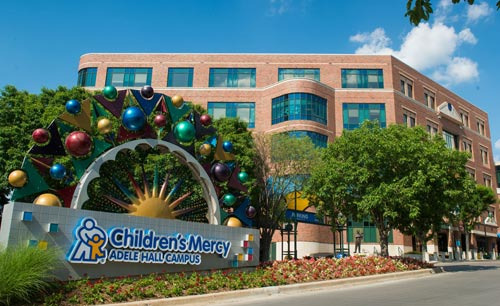
The first hospital to highlight is Children's Mercy Kansas City. Founded in 1897, Children's Mercy is a nonprofit pediatric hospital recognized as one of the top pediatric medical institutions in the United States. It consistently ranks among the top hospitals in the pediatric category in the annual U.S. News & World Report rankings.
In addition to its main campus in Kansas City, it operates several branches and clinics in the region, excelling in specialized fields such as pediatric oncology, pediatric cardiology, pediatric neurology, and neonatal intensive care (NICU). This hospital is also actively involved in pediatric medical research and physician training.
The second hospital is Saint Luke's Hospital of Kansas City. Established in 1882, Saint Luke's is a historic general hospital that is particularly well-regarded nationally for its cardiac care. The Mid America Heart Institute (MAHI) is located within this hospital and has played a leading role in the treatment of myocardial infarction and cardiovascular disease research.
Saint Luke's Hospital demonstrates exceptional performance in cardiac surgery, heart transplants, and heart failure treatment, attracting patients from not only Kansas City but also the surrounding Midwest region. The Saint Luke's Health System has expanded into a healthcare network operating multiple hospitals and clinics throughout the Greater Kansas City area.
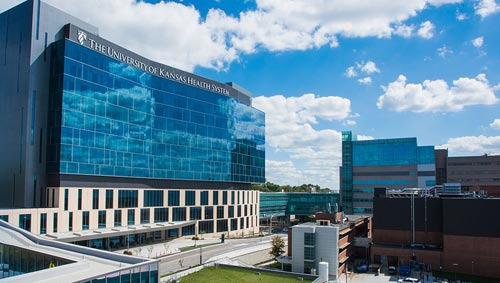
The third hospital is the University of Kansas Hospital, now known as The University of Kansas Health System.
This hospital is a large academic medical center located on the Kansas side of Kansas City, integrating education, research, and clinical care in collaboration with the University of Kansas School of Medicine. It specializes in complex and high-level patient care, including cancer treatment, neurological and brain disorders, organ transplants, and rare diseases, and it is designated as a cancer center by the National Cancer Institute (NCI). Since a rapid expansion began in 2014, this hospital has grown into the largest healthcare system in the region, with multiple branches and outpatient clinics throughout the Greater Kansas City area.
In addition to these three hospitals, Kansas City is home to various general and specialty hospitals, including Truman Medical Centers (now University Health), Overland Park Regional Medical Center, and HCA Midwest Health.
Furthermore, the VA Kansas City Healthcare System provides specialized medical services for veterans, playing a crucial role in filling healthcare gaps in the area. In the mental health field, facilities such as the Research Psychiatric Center also operate in Kansas City.
The level of healthcare in Kansas City is relatively high compared to other areas in the Midwest, particularly with nationally recognized institutions in cardiology, pediatrics, and oncology. This means that residents of Kansas City and the surrounding areas can access specialized medical services without having to travel far.
Kansas City has a high density of medical infrastructure relative to its population size, and there are numerous medical education institutions, such as medical and nursing schools, ensuring a stable supply of healthcare professionals.
For Korean immigrants or visitors, there are interpretation services available in major hospitals throughout the Greater Kansas City area, and some clinics connected to the Korean community may have Korean-speaking medical staff. It is important to check whether these hospitals are included in your insurance network when choosing a medical plan, as most major hospitals have contracts with Medicare, Medicaid, and major private insurers.
 BlueHarbor74
 SugarRush




 Karina's Blog |
 Jimbeam 88 |
 Taco Bell Candy Note Blog |
 Splendid Mission |
 Florida Gario |
 calvix |
 Rynex |
 selviro |
 Ansaso |
 Savion |
  pintos |
  coloradoman |
  Good Good |
  oh my salami |
  Lemonade Cider Planning Director |
  Way to easy |
  American Hardcore Band |
  Dala Dala |
  Pointy |
  Springs Korea |
  nixon |
  mini hometown |
  Gleeee |
  MacMorningBlog |
  ASURA |
  Elastico |
  shaket |
  vionoo |