

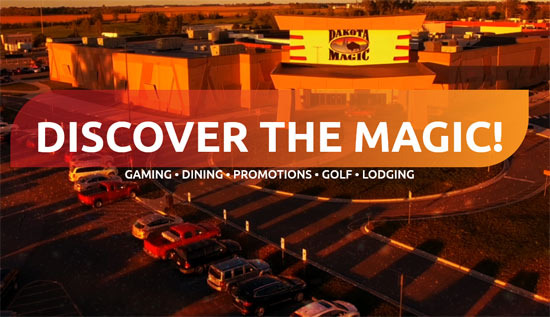
Dakota Magic Casino is a representative Native American casino located near the border of South Dakota and North Dakota, symbolizing the region.
As the name suggests, it is more than just a recreational facility; it embodies the traditions and economic independence of the Dakota people. This casino is situated in the quiet town of Hankinson, North Dakota, but is very close to South Dakota residents, attracting people from both states on weekends.
The land where the casino was established is part of the reservation of the Sisseton Wahpeton Oyate tribe, which is a branch of the Sioux lineage that includes Lakota, Dakota, and Nakota.
In the early 1990s, the tribe ventured into the casino industry to achieve economic independence on their land. While many Native communities made similar attempts at that time, Dakota Magic Casino is noted as one of the relatively quick success stories.
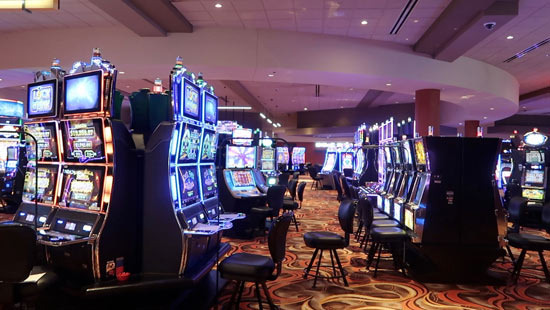
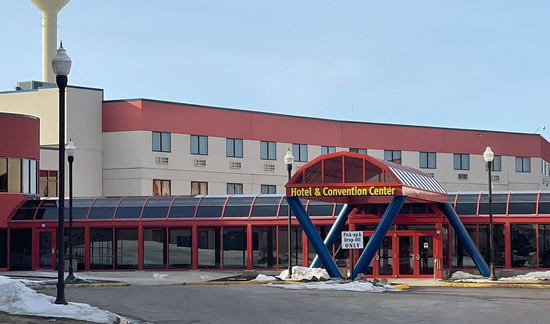
The casino opened in 1999, initially featuring a single-story building focused on slot machines and table games. However, it has now developed into a complex resort that includes a hotel, golf course, restaurant, and convention center. There are over 900 slot machines, and dozens of table games like blackjack, roulette, and poker, making it one of the top establishments in the Midwest region.
The casino's revenue does not end with entertainment. The Sisseton Wahpeton tribe reinvests the profits earned here into community welfare, including education, healthcare, and housing support. For example, scholarships for schools within the tribe, operating costs for senior centers, and youth employment programs are all funded by the casino's profits.
Thus, local people refer to Dakota Magic Casino as "not just a gaming hall but the lifeline of the tribe." The interior of the casino blends traditional Native American patterns with modern design. The lobby features buffalo sculptures and Lakota sun patterns, while the ceiling is adorned with decorations representing the sky and feathers. These elements allow visitors to experience a part of Native culture, not just a gambling venue.
In fact, many tourists visiting here come not for the games but to see the tribal cultural exhibits and performances. The Dakota Magic Golf Course next to the casino is a 27-hole course, praised for its unique winds and wide views characteristic of the prairie region.
During the summer, many travelers enjoy golfing and then visiting the casino in the evening, significantly impacting the local tourism economy. Of course, there are critical perspectives as well. Some argue that while the casino industry can boost the local economy in the short term, it may also lead to gambling addiction and income disparity issues.
However, in the case of Dakota Magic Casino, the tribal government operates a separate auditing system for transparent distribution of profits, receiving relatively positive evaluations. Dakota Magic Casino exemplifies how Native communities can maintain traditions while surviving in modern capitalism.
Their efforts to establish a new economic model on ancestral land symbolize not just commercial success but also the independence and pride of a tribe. Under the shimmering lights at the edge of the prairie, Dakota Magic Casino continues to carry on its own kind of 'magic.'

 Dreams Come True as Desired |
 Dakota Man Blog Thanks |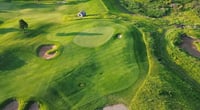
 Mr. Midwest America |
  forevergee |
  festival |
  manchester |
  constant |
  Leapfrog Move |
  vibranto |
  Tora Tora |
  yellowbutter |
  Dolly |
  US Embassy |
  NYC saladbar |
  Finding Superfoods |
  lightyear |
  song bang |
  vexomo |
  Indiana Jones |
  meloncat |
  novapixel |
  mortrix |
  Esther 1983 |