

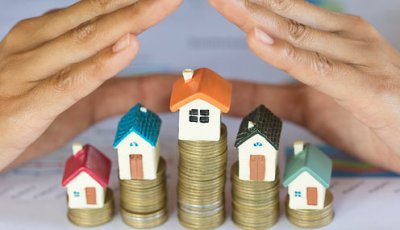
It is premature to be optimistic about LA's future based solely on its title as the host city for the 2028 Olympics. A closer look at demographics and industry structure is necessary to paint a clearer picture of the direction this city will take over the next decade. Observing the market recently, I often feel a gap between the glamorous city image and the actual statistics.
Recent market data shows that LA County is experiencing a trend of net population outflow. While some households are moving to other states like Texas and Arizona due to high living and housing costs, the influx of international immigrants is still playing a role in partially offsetting the population decline. As a result, the overall population appears to be in a state of gradual decline or stagnation. Notably, the net outflow of younger generations and middle-class households is pronounced, while some immigrant-dense areas, including Koreatown, maintain a relatively stable population composition.
The industrial base is layered on traditional strengths in entertainment and media, with tech clusters known as Silicon Beach, aerospace, and healthcare also contributing. Recently, there have been consistent reports of production investments from streaming and content companies, as well as contract expansions from defense and aerospace-related firms. However, there is also a trend of film and television production being distributed to other states like Georgia and New Mexico, which offer greater tax incentives, raising concerns about job security for those in related industries.
The unemployment rate has remained somewhat higher than the California average, estimated to be around 5%. Income growth rates vary significantly by industry, with a clear gap between high-income tech and entertainment jobs and those in the service sector. This income polarization is reflected in the housing market, where regional price disparities are greater than in other metropolitan areas.
Infrastructure investments are accelerating ahead of the Olympics, with expansions of metro subway lines and improvements to airport connectivity. Large development projects are underway in downtown and various subcenters. Investments related to data centers are also on the rise across Southern California. However, due to the nature of large infrastructure projects, budget and schedule delays are not uncommon, making it more realistic to monitor progress rather than predict completion dates.
According to sources like Forbes' real estate section and Moody's Analytics, LA is still classified as a key metropolitan area in the U.S., but they often highlight population outflow and high living costs as long-term variables to watch. Whether growth will continue or stagnation will persist remains to be seen.
Risk factors include a chronic high-cost structure due to a lack of housing supply, rising insurance premiums from natural disasters like wildfires, and volatility in the business environment due to policy changes. On the other hand, infrastructure investments tied to the Olympics and the city's brand as a global city may still act as positive factors. Given that both forces are at play, a balanced perspective is necessary rather than a definitive conclusion in one direction.
For Korean households, the steady demand for commercial and residential spaces centered around Koreatown is a strength, but the high entry costs and ongoing population outflow should also be considered. Due to significant regional disparities, it is more practical to approach the city at the community level rather than as a whole. If looking for rental purposes, prioritizing areas with good public transportation access could be a viable strategy.
In summary, LA still possesses a global city brand and industrial diversity, but it also faces structural challenges regarding population and costs. Rather than making definitive predictions about the next decade, it seems necessary to maintain a balanced view on how infrastructure will be utilized post-Olympics and what outcomes policies aimed at alleviating housing cost burdens will achieve.
 SodaQueenz
 DreamStar




 garlic bread |
 Sugar Cream Door Bulletproof Noodles |
 urbanmint |
 |
| 
 Premium Gas Camp |
 Weekend Movie Blog |
 Beauty, Health, Lifestyle Blog |
 coloradoman |
 Superman Cat Blog |
 Anjollinya Blog |
  draxen |
  gallery |
  milkyotter |
  Zoom Zoom Zoom |
  Minnesota Lakes and Clouds |
  noraro |
  tervox95 |
  vale vale |
  yentra |
  Golden life |
  andrew park |
  Peter Pan Pet |
  Balan |
  Cali M Law Group |
  neroyo |
  Dreams Come True as Desired |
  Khan Film Blog Production |
  Living Economy Information Blog |
  rustley |