

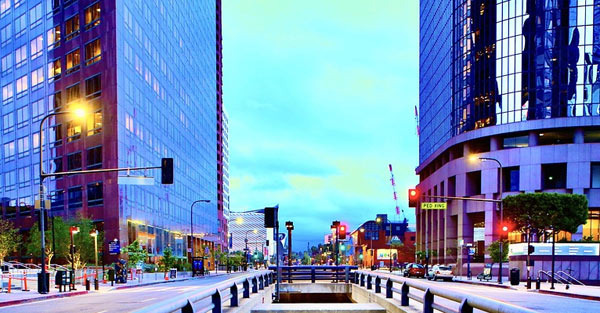
First, looking at the office market, there are still many vacant offices in downtown LA. As companies are not using offices as much as before, rental prices are not easily rising, and it is also not easy for landlords to find tenants.
As of 2025, the vacancy rate in downtown LA exceeds 30%. However, areas in West LA, such as Santa Monica and Westwood, are different. There, media and IT companies are still looking for office space, so the vacancy rate for well-located buildings has dropped to the low 20% range, and rental prices are being well maintained. In other words, in 2026, the gap between these popular and unpopular areas is likely to widen.
Next is 'subleasing,' which refers to renting out space that the current tenant is not using to someone else. The surge in sublease inventory during the pandemic is now gradually decreasing. Transactions have also decreased to about $800 million per quarter as of 2025, but in 2026, it is expected that more buildings will come onto the market due to loan maturities or debt adjustments. This could be a good opportunity for investors who have cash on hand or low debt. However, as interest rate fluctuations are still uncertain, investors are carefully watching prices.
One of the important changes that will determine the future of downtown LA is the 'conversion policy.' This means converting vacant offices into apartments or mixed-use buildings. In the past, many residential buildings were created through such policies, and this time, the plan is to expand not only to downtown but also to the outskirts. However, for it to succeed, technical issues such as construction costs, insurance, and earthquake-resistant design must be resolved, and if government regulations or permitting processes slow down, it could fail.
Industrial real estate, such as logistics or factories, has entered a stabilization phase after the overheating during the pandemic. Previously, there was a shortage of warehouses, causing rental prices to skyrocket, but now the vacancy rate is being maintained at a reasonable 5-7%. In 2026, port logistics volumes and U.S. tariff policies are expected to significantly influence the market. For example, whether goods are brought in early or late can affect warehouse demand on a quarterly basis.
Finally, retail real estate, such as shopping centers, is relatively stable. There are almost no new large shopping malls being built, and instead, small shops and restaurants are steadily maintained in areas where many people live. Areas like Koreatown, Silver Lake, and West LA, which have large populations and active living environments, are expected to see little drop in rental prices. In contrast, areas that rely on tourists may be affected by the international travel situation or event schedules.
Ultimately, the LA real estate market in 2026 will be one with significant regional differences. Areas like downtown, which have many vacancies, will recover slowly, while areas in West LA or near the port logistics will stabilize relatively quickly.
For investors, the key is to distinguish well between 'where will grow and where will stagnate' and act accordingly.





 moo moo |
 ultron78 |
 garlic bread |
 Sugar Cream Door Bulletproof Noodles |
 urbanmint |
 Weekend Movie Blog |
 Beauty, Health, Lifestyle Blog |
 coloradoman |
 Superman Cat Blog |
 novapixel |
  DREAM BIG |
  frostbite |
  330 Forever My Love |
  El Dorado |
  dralix58 |
  Gorama Round |
  Skydiving |
  dreamport |
  Yellow Snowman |
  Toaster Pizza Magic Show |
  velvetnom |
  Anytime Journey |
  Mrs. Duluth |
  jaxter |
  Atlanta Mama |
  Baguette Blog |
  Tan Sol |
  US Embassy |
  Korean Mom |
  My NYC |