

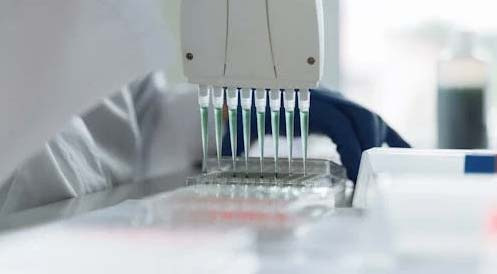
"Conquering cancer" has been humanity's dream for a long time, but as of 2025, the focus is still more on managing it as a chronic disease rather than achieving a complete cure.
As people age and weigh more, the incidence of cancer increases. Cancer is a disease that occurs due to the emergence of abnormal cell mutations during the process of cell differentiation, so the longer and more frequently cells differentiate, the higher the probability of developing cancer.
Once cancer occurs, a slower metabolism leads to a slower rate of cell division, which slows the spread of cancer. However, younger individuals with a more active metabolism often progress to terminal stages within a short period after diagnosis, resulting in poorer prognoses. In contrast, older individuals tend to have a slower progression of cancer, allowing them to survive for several years without surgery.
When will cancer be overcome?
· Around 2030: Thanks to personalized vaccines and liquid biopsies, some cancers will be at a stage of being "almost caught".
· 2040s: Most common cancers will be managed like cardiovascular diseases.
· 2050s: The survival curves that we now call "cured" will be achieved for the majority of cancers.
In other words, a complete "conquest of cancer" is more feasible if we aim for the 2040s to 2050s. However, rather than just waiting for that day, focusing on prevention, early screening, and access to new drugs is the fastest "personal cancer conquest roadmap."
2025~2035: The Era of Partial ConquestThe UK, Germany, and the US have already announced a roadmap to administer personalized mRNA treatment vaccines to over 10,000 people by 2030. The potential for approval by 2030 is so high that it has been mentioned in Nature reviews. Clinical trials are rapidly increasing that can predict recurrence by finding circulating tumor DNA (ctDNA) in the blood months to years in advance and proactively changing treatments. Strategies aiming for "complete remission without surgery" using combinations of checkpoint inhibitors, chemotherapy, radiation, and hyperthermia are being validated in multiple phase 2 trials. Some solid tumors (melanoma, lung cancer, HER2-positive breast cancer, etc.) and blood cancers (pediatric acute lymphoblastic leukemia, multiple myeloma, etc.) are expected to have 5-year survival rates rise to 80-95%.
2035~2050: The Era of "Managing" Cancer
AI drug design and gene editing (CRISPR 2.0) are just entering clinical stages, so by around 2035, there is a high probability that ultra-precise drugs targeting mutations in hard-to-treat cancers (pancreatic cancer, ovarian cancer, brainstem glioma) will emerge. The WHO's global goal is to reduce early deaths from non-communicable diseases by one-third by 2030, and there is a strong possibility that this goal will be achieved in the field of cancer around 2040, especially in developed countries. By around 2050, it is expected that "living with cancer managed by medication" will become the standard, according to many research institutions (City of Hope, Mass General Brigham, etc.).
Reality Check
Cancer is a collection of over 200 different diseases. It is difficult to set a single "cure" date for all of them.
The treatment gap is a problem. Even if new drugs are developed, they may still be far from low-income, elderly populations, and developing countries.
Prevention is still the best. Vaccines for HPV and hepatitis B, along with smoking cessation and weight management, can reduce overall cancer incidence by 30%.






 Tora Tora |
 neroyo |
 nivex85 |
 Old English |
 nixxon |
 Khan Film Blog Production |
 Illinois Mom |
 Rice Shop Uncle BLOG |
 allstar realty |
  Enjoyable American Life Diary |
  Tonky |
  viroma |
  cookie |
  Live and that's it |
  Alright Twain |
  eatontown blog |
  HAWAII Korean Church News |
  Amore |
  linex |
  Balancework |
  laro90 |
  MEDBIO American Doctor Blog |
  SWAT TEAM BLK |
  DREAM BIG |
  frostbite |
  330 Forever My Love |
  El Dorado |
  dralix58 |
  Gorama Round |
  Skydiving |