

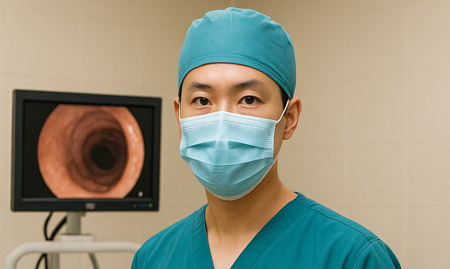
A colonoscopy is an important part of a health check-up that diagnoses inflammation, polyps, tumors, etc., by inserting an endoscope to observe the colon.
In addition to the purpose of the examination, a biopsy can be performed on any abnormal areas, and if polyps are present, they can be removed directly, and bleeding can be controlled, making it possible to perform therapeutic procedures as well.
When gastrointestinal symptoms such as abdominal pain, constipation, diarrhea, or blood in the stool occur, it can also be performed separately for the diagnosis and treatment of polyps and colon cancer.
The preparation before a colonoscopy is actually half of the examination. If not prepared properly, even the most accurate diagnosis can be difficult.
Below is a summary of the general fasting and bowel cleansing (bowel preparation) procedures before a colonoscopy.
3 Days Before the Examination – Start a Residue-Free Liquid Diet
-
Prohibited Foods: Fruits with seeds (kiwi, grapes, melon), seaweeds (kelp, wakame), multigrain rice, nuts, kimchi, and other high-fiber foods.
-
Recommended Foods: White rice, steamed eggs, tofu, white porridge, broth, and meals primarily based on white rice.
1 Day Before the Examination – Start Fasting & Bowel Cleansing
-
Breakfast/Lunch: White porridge or thin rice gruel is allowed (may vary according to hospital guidelines).
-
Fasting from Afternoon: Generally, only water and electrolyte drinks are allowed from the afternoon.
-
Start Taking Bowel Cleansing Agent: The names of the drinking cleansing agents vary, such as MoviPrep, CoolPrep, PicoSolution, etc. Please follow the instructions.
On the Day of the Examination – Complete Fasting & Check Bowel Condition
-
Do not drink much water in the morning, and do not eat anything.
-
Stool should come out clear yellow liquid for the endoscope to see well.
-
If it is cloudy or has residue, the examination may need to be repeated.
Precautions
If you are taking any medications, you should consult with the medical staff to confirm whether to continue taking them. Medications that can cause bleeding, such as aspirin and anticoagulants, may need to be stopped or reduced, and medications for diabetes, hypertension, and anticonvulsants should also be confirmed with the medical staff before taking.
If you have a history of abdominal surgery, benign prostatic hyperplasia, uterine fibroids, kidney disease, or past drug allergies, you should inform the medical staff before the examination.
During the colonoscopy, gas is injected to ensure visibility, and you may experience abdominal discomfort due to the injected gas. In this case, walking a lot to expel the gas, applying a hot water bottle to the abdomen, or lying on your stomach with your buttocks raised can help.
After the colonoscopy, complications such as bowel perforation, bleeding, or abdominal pain may occur. If there is bleeding after a biopsy, you may experience black stools or blood in the stool, severe dizziness, rapid pulse, cold sweat, or severe abdominal pain, so in such cases, please go to the emergency room immediately.
In the case of sedation during the colonoscopy, after the examination, you will be moved to the recovery room to monitor the patient's vital signs. After recovery, you must go home with a guardian and avoid driving if possible.
Bowel cleansing agents are less nauseating when chilled, and sipping lemon juice or candy while drinking can make it more comfortable.
The types and timing of cleansing agents may vary by hospital, so please also refer to the hospital's instructions.

 Tora Tora |
 neroyo |
 nivex85 |
 Old English |
 nixxon |
 Bacon King Blog |
 Bald Eagle Brothers |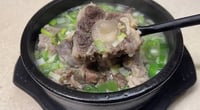
 Seattle - Emerald City |
 PETRO Vatican Shrine |
 Real Estate Agent USA |
  Balancework |
  laro90 |
  MEDBIO American Doctor Blog |
  SWAT TEAM BLK |
  DREAM BIG |
  frostbite |
  330 Forever My Love |
  El Dorado |
  dralix58 |
  Gorama Round |
  Skydiving |
  dreamport |
  Yellow Snowman |
  Toaster Pizza Magic Show |
  velvetnom |
  Anytime Journey |
  Mrs. Duluth |
  jaxter |
  Atlanta Mama |
  Baguette Blog |