

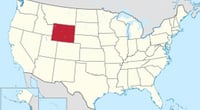
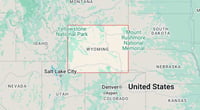
Let's talk about the weather and climate in Cheyenne, the capital of Wyoming, USA.
We will look at how temperatures change throughout the year, how much rain falls monthly, and what natural disasters are common.
- Average Monthly Temperatures (Fahrenheit / Celsius)
- January: Average high 39°F (about 4°C), Average low 17°F (about -8°C)
- February: Average high 40°F (about 4°C), Average low 18°F (about -8°C)
- March: Average high 47°F (about 8°C), Average low 23°F (about -5°C)
- April: Average high 55°F (about 13°C), Average low 30°F (about -1°C)
- May: Average high 64°F (about 18°C), Average low 39°F (about 4°C)
- June: Average high 74°F (about 23°C), Average low 47°F (about 8°C)
- July: Average high 81°F (about 27°C), Average low 54°F (about 12°C)
- August: Average high 80°F (about 27°C), Average low 52°F (about 11°C)
- September: Average high 72°F (about 22°C), Average low 44°F (about 7°C)
- October: Average high 60°F (about 15°C), Average low 33°F (about 1°C)
- November: Average high 47°F (about 8°C), Average low 23°F (about -5°C)
- December: Average high 39°F (about 4°C), Average low 17°F (about -8°C)
With relatively low temperatures, winter can be quite cold, and even in summer, it can be chilly at night.
It's also good to remember that there is a significant temperature difference between morning and evening.
- Average Monthly Precipitation
Cheyenne has an average annual precipitation of about 15 inches (380mm), making it relatively dry. Looking at it month by month:
- January: 0.3 inches (about 8mm)
- February: 0.4 inches (about 10mm)
- March: 0.9 inches (about 23mm)
- April: 1.6 inches (about 41mm)
- May: 2.3 inches (about 58mm)
- June: 2.0 inches (about 51mm)
- July: 2.0 inches (about 51mm)
- August: 1.5 inches (about 38mm)
- September: 1.3 inches (about 33mm)
- October: 1.0 inches (about 25mm)
- November: 0.5 inches (about 13mm)
- December: 0.4 inches (about 10mm)
The time when it rains the most is between May and July, during which localized showers can occur, and sometimes thunderstorms with rain and wind can happen.
Information on Natural Disasters
- Winter Storms: Cheyenne experiences strong winds along with blizzards in winter. The temperatures drop significantly, which can affect transportation and daily life.
- Thunderstorms and Hail: From early summer to mid-summer, sudden thunderstorms and hail can occur. There is a possibility of hail damage, so be mindful of vehicle and property management.
- Tornadoes: While not frequent across Wyoming, due to the characteristics of the plains, tornado watches or warnings can occasionally be issued.
- Drought and Wildfires: In years with little rain, dry weather can increase the risk of wildfires. It is advisable to prepare for fire incidents, especially from late summer to early fall.
In summary, Cheyenne has cold winters but pleasant summers with significant temperature differences, and the annual precipitation is relatively low. Natural disasters such as winter storms, thunderstorms, and tornadoes can occur, so if you plan to travel or reside here, it's good to check the weather information thoroughly in advance. As always, local climates can vary slightly from year to year, so it's recommended to check the latest weather forecasts before departure.





 moo moo |
 ultron78 |
 garlic bread |
 Sugar Cream Door Bulletproof Noodles |
 urbanmint |
 Real Estate |
 yenne |
 MAX009 BLOG |
 FROM Wyoming |
 logger |
  yentra |
  Make My Day |
  Victory 1988 |
  Tonky |
  viroma |
  cookie |
  Live and that's it |
  Alright Twain |
  eatontown blog |
  HAWAII Korean Church News |
  Amore |
  linex |
  Balancework |
  laro90 |
  MEDBIO American Doctor Blog |
  SWAT TEAM BLK |
  DREAM BIG |
  frostbite |
  330 Forever My Love |
  El Dorado |