

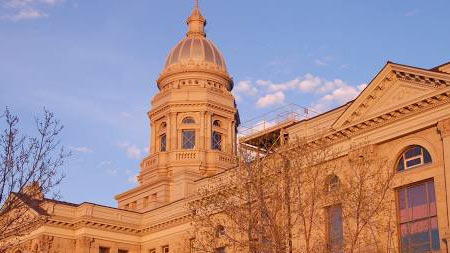
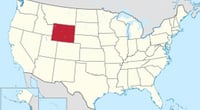
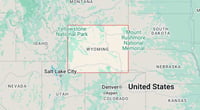
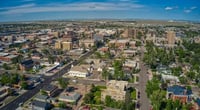
Cheyenne is the capital of Wyoming, and understanding the history, economy, and current lifestyle of this area can help you better appreciate the city.
History of CheyenneEstablishment and Development:
Cheyenne was established in 1867 with the construction of the Union Pacific Railroad. The individuals responsible for the railroad construction utilized this area as a base, and soon the city rapidly formed.
The city's name is derived from the Cheyenne Native American tribe that lived in the area.Railroad and City Growth:
As it developed into a railroad hub, Cheyenne became a key point for logistics and transportation, attracting many people to move here. At that time, Cheyenne earned the nickname "Magic City" due to its rapid growth alongside the railroad.Cowboy Culture:
Connected to Wyoming's traditional cowboy culture, the famous rodeo festival known as Cheyenne Frontier Days is held annually. This festival began in 1897 and is still known today as one of the largest rodeo festivals in the United States.
Population
Current Population:
The population of Cheyenne is approximately 65,000, making it the largest city in Wyoming.
Wyoming is the least populated state in the U.S., but Cheyenne maintains a stable population due to its railroad and government functions.Racial Composition:
Like much of Wyoming, Cheyenne has a high percentage of white residents.- White: about 85%
- Hispanic or Latino: about 10-12%
- Asian, African American, Native American, and other minorities make up the remainder.
Population Characteristics:
- This area has a diverse range of occupations due to the military base (Francis E. Warren Air Force Base) and government agency presence.
- The average age is about 38 years, making it a relatively young city.
Median Income
Household Median Income:
The median household income in Cheyenne is approximately between $65,000 and $70,000. This slightly exceeds the Wyoming average and reflects a relatively stable economic structure.Per Capita Income:
The average per capita income is about $30,000 to $35,000.Main Industries and Economy:
The economy of Cheyenne is supported by the following sectors.- Government and Public Services: As the capital of Wyoming, Cheyenne has many jobs related to state and local government.
- Military: The Francis E. Warren Air Force Base is a significant employer and economic driver in the area.
- Logistics and Transportation: Cheyenne serves as a logistics hub due to its location at the intersection of major freeways (I-25 and I-80).
- Tourism: Festivals like Cheyenne Frontier Days and Wyoming's traditional western culture attract tourists.
Cheyenne is a historic city that began with the railroad construction and has established itself as the political, economic, and cultural center of Wyoming today.
The population is about 65,000, predominantly white, and the median income is over $65,000, indicating a stable economic structure.
Cheyenne, which has grown around the railroad, military, and government, still retains its unique charm of the American West.



 Magic Cabbage School of Martial Arts |
 Vacation on Hawaii |
 morvex37 |
 Ari Songhan American Immigration Life |
 Bearded Strawberry Smoothie |
 nixxon |
 Real Estate |

 logger |
 Tora Tora |
  yellowbutter |
  Dolly |
  US Embassy |
  NYC saladbar |
  Finding Superfoods |
  lightyear |
  song bang |
  vexomo |
  Indiana Jones |
  meloncat |
  novapixel |
  mortrix |
  Esther 1983 |
  fortbliss |
  Moscow Kim |
  My Two Way |
  toastyfox |
  FLORIDA Acus |
  tracker |