

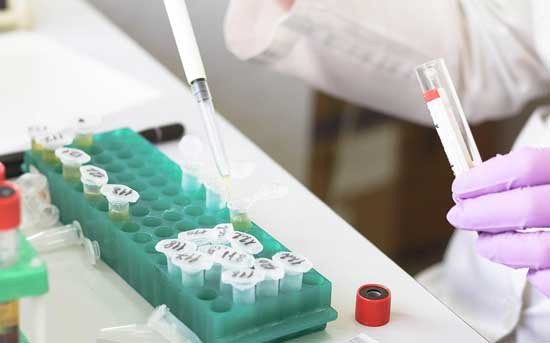
Many people find regular checkups bothersome and tend to postpone them, but in fact, many cancers can be caught early if detected.
Stomach cancer, colorectal cancer, liver cancer, lung cancer, breast cancer, cervical cancer, and prostate cancer can all be detected early through regular examinations, significantly improving treatment outcomes.
For example, stomach cancer can be detected through endoscopy, and if it is stage 1, it can be cured in over 90% of cases with endoscopic resection.
Colorectal cancer can also be prevented from progressing to cancer if polyps are removed during endoscopy.
Liver cancer can be detected early with regular ultrasound and blood tests for patients with hepatitis or cirrhosis.
Lung cancer, which was often diagnosed late and difficult to treat in the past, now has a higher detection rate in high-risk groups like smokers thanks to low-dose chest CT scans.
Breast cancer, common among women, can be detected early through mammograms or ultrasound examinations.
Cervical cancer can be detected at the pre-cancer stage with regular Pap smears and HPV tests, making it almost completely curable.
Men can detect prostate cancer early with a blood test called PSA, which also has a very good prognosis if caught early with surgery or radiation therapy.
So while cancer is indeed frightening, we live in an era where regular checkups allow for much earlier detection and treatment.
The problem is that many people think they are fine because they have no symptoms and postpone checkups, only to find out late and struggle. The key is that checkups should be done not when you are sick, but as a precaution when you are healthy.
What will the future hold? There are talks that by around 2035, methods to stop cancer cell proliferation may emerge.
Even now, immunotherapies like CAR-T are showing remarkable effects in patients with blood cancers like leukemia, and immune checkpoint inhibitors are providing new hope for patients who did not respond to existing chemotherapy.
With the addition of precision medicine, treatments tailored to individuals based on their genetic maps and immune systems will become possible.
Additionally, liquid biopsy technology that detects fragments of cancer cell DNA in the blood is currently under development, and it is said that in about ten years, it may be able to catch cancer at very early stages, even the moment cancer cells begin to proliferate.
Nanotechnology cannot be overlooked either. If ultra-precise drug delivery systems that selectively attack only cancer cells become a reality, it will be possible to eliminate cancer cells without side effects.
Furthermore, gene editing technologies like CRISPR may evolve to block the genes that induce cancer cell proliferation.
Ultimately, by around 2035, we may enter an era where cancer is not seen as an "enemy that must be eradicated at all costs," but rather as a "disease managed like a chronic condition by inhibiting its proliferation."
What we can do now is to detect it early through regular checkups, and in the future, advancements in science may allow us to catch cancer cells before they spread.
Therefore, I believe that checkups are the most important weapon now and in the future.






 Tora Tora |
 neroyo |
 nivex85 |
 Old English |
 nixxon |
 Bacon King Blog |
 Bald Eagle Brothers |
 Seattle - Emerald City |
 PETRO Vatican Shrine |
 Real Estate Agent USA |
  Tonky |
  viroma |
  cookie |
  Live and that's it |
  Alright Twain |
  eatontown blog |
  HAWAII Korean Church News |
  Amore |
  linex |
  Balancework |
  laro90 |
  MEDBIO American Doctor Blog |
  SWAT TEAM BLK |
  DREAM BIG |
  frostbite |
  330 Forever My Love |
  El Dorado |
  dralix58 |
  Gorama Round |
  Skydiving |