

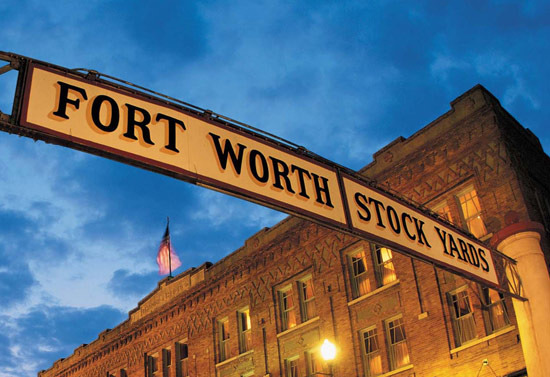
The first time I went to Fort Worth, I saw a longhorn picture even in the airport restroom.
At that moment, I thought: this city sells its western image not as a tourist product, but as its very identity. The nickname Cowtown didn't come about for no reason.
Fort Worth became Cowtown back in the days of the Chisholm Trail. It was the last supply stop for cowboys driving cattle from Texas to Kansas before heading north. In the early 1900s, it was considered one of the largest cattle markets in the world, and during World War I in 1917, it also held the title of the largest horse and mule market. There was a reason the Fort Worth Livestock Exchange in the Stockyards was called the Wall Street of the West.
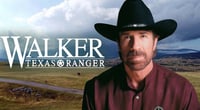
Then in 1993, Chuck Norris came along. Walker, Texas Ranger was an action drama that aired on CBS for nine seasons, featuring a Texas Ranger who brought justice to Fort Worth. The Tarrant County Courthouse served as the Ranger headquarters, and the White Elephant Saloon in the Stockyards appeared as the regular bar, CD's Bar.
Chuck Norris insisted on filming in Texas from the start, and thanks to that, the show shot almost all its scenes in the DFW area. For nine years, viewers across the nation saw the Texas Ranger wearing a cowboy hat, so it was only natural that Fort Worth's western image became ingrained in homes across America.
What about today? Cattle drives still take place every day at 11:30 AM and 4 PM on Exchange Avenue. It is the only place in the world that has a regular cattle drive twice a day. In 2023, Visit Fort Worth launched a new marketing campaign called The Unexpected City, but the city emphasized that it was not trying to push away the Cowtown image.
The coexistence of cowboys and a modern city is Fort Worth's brand. Although Walker, Texas Ranger has already been rerun, the image it created is as deeply embedded in this city as the dust in the Stockyards.
City images are not created overnight. They require decades of history and layers of content that reinterpret it. Fort Worth has been quite honest and consistent in that work. Instead of turning away from the cowboy image as outdated, it has placed it at the center of the narrative and connected it to the present. I believe that has worked.
 FieldDaily
 DreamMoon




 Community Cross |
 Conflite Teacher |
 SEVEN SEVEN |
 Korean Mom |
 novapixel |
 horse |
 jaxter |
  MBTI Detective Agency |
 Coco Chanel |
 mariashin |
  lumbus |
  Texas Migration Story |
  Scade Studio |
  love ya |
  biscuit90 |
  chicpo |
  Helpful Life Stories |
  Kitchen Ideas |
  Diana Blues |
  Agenda Center |
  journey |
  heeve |
  leman |
  corner kick |
  treasure |
  strawberry |
  Augusta Univ |
  B.I.G. Victor |