
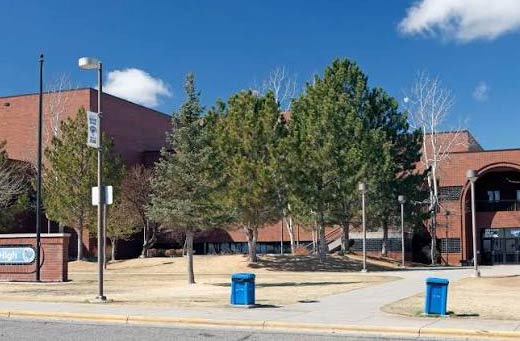
The property tax system in Yellowstone County, where Billings is located, operates based on Montana state law.
The property tax rate in Montana varies depending on the type of real estate, with residential properties having an assessment ratio set at about 1.35% of the market value for taxable value. The actual amount of property tax paid is calculated by multiplying this taxable value by the mill levy of each local government entity (city, county, school district, etc.).
The mill levy in the Billings area consists of the sum of the rates imposed by various entities, including the city, county, school district, fire department, and library. As of 2023, the total mill levy for Yellowstone County is approximately 450 to 500 mills, and multiplying this by the taxable value yields the annual property tax amount. For example, a home with a market value of $300,000 would have a taxable value of about $4,050, and applying the mill levy would result in an annual property tax of roughly $1,800 to $2,000. However, this is an approximate figure, and the exact tax amount should be confirmed through the Yellowstone County Assessor's Office.
Property tax bills are typically sent out twice a year, with payment deadlines on May 31 and November 30. If payments are not made by the deadline, penalties and interest will be applied. Property tax payments can be processed at the County Treasurer's Office in cash, by check, or online. Montana also has a property tax assistance program for seniors (aged 65 and older) or disabled residents, so those who qualify should check their eligibility.
In terms of school district budgets, Billings School District 2 (SD2) is the largest district in Montana, serving about 16,000 students and over 2,000 staff members. SD2's annual budget is approximately $200 million, a significant portion of which is funded by property taxes and state education funding. The district budget is used for teacher salaries, educational programs, facility maintenance, and special education. Budget-related policies for the district are determined through meetings of the Billings School District Board of Trustees, which are open to the public.
Looking at the overall budget for the city of Billings, the general fund budget is around $60 million to $70 million annually, allocated for road maintenance, police, fire services, park management, and administrative operations. The total budget for Yellowstone County exceeds $100 million, used for the county court, sheriff's office, social services, and road management. Detailed information about the city budget is published annually in the finance section of the official Billings city website.
Montana has a tax structure that relies on property taxes and income taxes instead of a sales tax. This is convenient for consumers as there is no tax on everyday purchases, but property owners may face a relatively higher burden from property taxes. The income tax rate in Montana is up to 6.75% as of 2024, applied progressively based on taxable income brackets. Those considering real estate investment or home purchases should consult a tax professional (CPA) to develop an accurate tax plan.
When choosing a school district, it's important to note that some areas of Billings Heights or outskirts of Billings may fall under separate small school districts, such as Lockwood School District or Valley Drive School District, rather than SD2. Each school district has different property tax mill levies, so even within the same Billings area, the property tax burden can vary by district. It is recommended to verify the exact school district and tax rate for a specific address with the Yellowstone County office before purchasing real estate.
 PuddingDaily
 RiceballFairy
 SodaDreamer





 moo moo |
 ultron78 |
 garlic bread |
 Sugar Cream Door Bulletproof Noodles |
 urbanmint |
 Childbirth Drabble Blog |

 orvella |
 tarvion |
 valtri |
  apricotla |
  Soy Angelino |
  nati8 |
  NE Hodori Preik |
  washington mom |
  celtics |
  Balancework |
  round1 |
  Way to easy |
  musicque |
  road98 |
  Churros Train Conductor |
  gleeful |
  Burbank Lee |
  Olivia's Blog |
  Bushing Around Life |
  Active |
  Cherokee Rose |
  Kor. Master |
  Holey Moley |