

These days, reading California policy news often leaves me sighing.
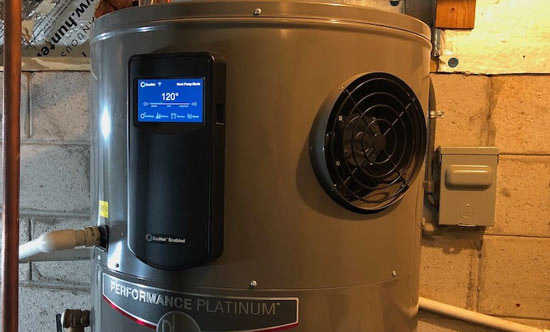
This latest news is no different. There are plans to distribute heat pumps to 6 million households by 2030, which sounds grand in terms of goals. The problem is reality. With electricity prices being so high, who ultimately bears the burden of increasing electric equipment?
Heat pumps are a good technology. They use electricity instead of gas and can provide both heating and cooling, making them energy efficient and environmentally friendly. From the policy announcement, it feels like we are moving toward futuristic living. However, California has some of the highest electricity rates in the country. Asking people to eliminate gas and switch to electricity in this situation honestly sounds more like an upgrade to their bills rather than an environmental benefit for the average person.
According to a Harvard study, the reality is even more sobering. In LA County, using heat pumps reportedly saves about $30 a year. That's $30 a year. Just $2 to $3 a month. At this level, it's almost embarrassing to call it savings. Even funnier is Orange County, where it actually costs an additional $41 a year. This means that depending on the area, it could end up costing more.
The bigger issue is the practical barriers. Currently, about 67% of California households use gas. This is significantly higher than the national average. The reason is simple: gas is cheaper and more reliable. This is the market's choice. However, the policy goes against the market. From people's perspective, it can feel less like a choice and more like a mandate.
In this situation, one thought comes to mind. Why does California, a region with long-term Democratic leadership, continue to see rising costs? Housing costs are among the highest in the nation, electricity rates are also at the top, and insurance premiums and various utility fees keep increasing. The policy direction is always idealistic. Yet, the cost of living is becoming increasingly tight. The environment is important, and the future is important. But this month's bill is also crucial.
Looking at other states brings more thoughts. States like Texas and some in the Midwest have much lower electricity rates. They are maintaining industry and growing their populations. The reason companies are leaving California ultimately comes down to costs. When both residents and businesses find it hard to cope, no matter how good the policy is, it won't be sustainable.
The problem lies in goal-centered politics. Announcing how many units will be distributed by 2030 or how many percent carbon reduction is easy. But there is relatively little discussion on how to lower electricity rates or ensure the stability of power supply in the process. If the electrification policy is pushed while keeping electricity prices high, it means the direction and reality are out of sync.
To be honest, Democratic politicians need to take a look at other states. While green policies are important, energy cost competitiveness is also part of the policy. If electricity prices are high, the electrification policy loses its persuasiveness. Ultimately, policies are evaluated not by slogans but by how they are felt in daily life.
Living in LA, I often find myself thinking this way. California always talks about the future. Yet, those living in the present are struggling with increasingly expensive realities. Protecting the environment is important. But if wallets can't keep up, no one can follow that future.
What's more important than setting goals is understanding who will bear the costs to reach those goals.
Unless that part is resolved, even the most impressive policies will ultimately leave residents with the reaction, "That sounds great, but at my expense?"







 Moscow Kim |
 coloradoman |
 Montgomery Mom |
 GOGO SING |
 Hajiwon Blog Hair Salon |
 Weekend Movie Blog |
 Beauty, Health, Lifestyle Blog |
 Superman Cat Blog |
 Awesome Blog |
  Finding Superfoods |
  lightyear |
  song bang |
  vexomo |
  Indiana Jones |
  meloncat |
  novapixel |
  mortrix |
  Esther 1983 |
  fortbliss |
  My Two Way |
  toastyfox |
  FLORIDA Acus |
  tracker |
  TONTON COFFEE |
  sunrise |
  ultron78 |
  uplifted |
  Folding Instructions |