

When Hyundai Motor first entered the U.S. market, it built its recognition with relatively low prices and a 'value for money' image. However, in recent years, it has focused on design innovation, quality improvement, and electrification strategies, clearly moving beyond the 'value brand' level to establish itself as a mainstream brand. So, let's take a look at how much influence Hyundai Motor might exert in the U.S. market in the next 10 years.
First, the potential for market share change
Combining Hyundai Motor and Kia, their current market share in the U.S. is estimated to be around 10%. While the figure for the Hyundai brand alone is slightly lower, it has been steadily increasing in recent years. Over the next decade, with the expansion of eco-friendly lineups including electric and hydrogen vehicles and targeting the SUV market, it is likely that market share will rise further. As the global transition to eco-friendly vehicles accelerates, Hyundai is also continuously launching various electric vehicle models, including the IONIQ series.
Second, design and brand image
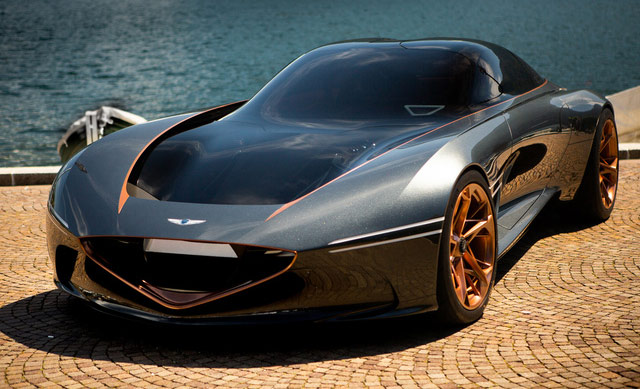
In the past, the image of Hyundai was strongly associated with 'affordable practical cars', but since the launch of the Genesis brand, it has successfully built a 'luxury' and 'high-tech' image among U.S. consumers. Additionally, as Hyundai develops its unique design identity, it has received many positive reviews from automotive evaluation agencies, stating that "it has become much more sophisticated and complete than before." If this design and brand strategy is refined over the next decade, it is expected to solidify the image of being a "reliable and innovative brand."
Third, investment in electric vehicles and future mobility
It is also noteworthy that Hyundai is expanding its local production bases and making significant investments in building electric vehicle factories. Hyundai is establishing electric vehicle and battery production facilities in places like Georgia, which is part of its strategy to target demand with the 'Made in USA' title. Furthermore, it continues to invest in future mobility areas such as autonomous driving technology, connected cars, and UAM (Urban Air Mobility), indicating that Hyundai may play a role beyond just being a complete vehicle manufacturer in the long term.
Fourth, competitive landscape
Of course, there are many formidable competitors in the U.S. market. Traditional giants like Toyota, GM, and Ford, along with electric vehicle startups like Tesla, are fiercely competing. For Hyundai to continue increasing its market share, it will be crucial to provide not only price competitiveness but also quality, brand trust, and total solutions such as electric vehicle charging infrastructure services.
Fifth, residual demand for internal combustion engines
While a rapid transition to electric vehicles is expected over the next decade, the vastness of the U.S. and varying state regulations may mean that demand for internal combustion engines does not easily disappear. Therefore, Hyundai faces the challenge of balancing the operation of internal combustion engine models and electrified models. However, as more states strengthen support for eco-friendly vehicles and emissions regulations, Hyundai is likely to increasingly shift towards a higher proportion of electric and hydrogen vehicles.
In summary, Hyundai Motor is already establishing a solid brand image in the U.S. market, unlike in the past, and as the electric vehicle market grows significantly, it has a great opportunity to seize new chances. Depending on the pace of investment and technological advancement, many forecasts suggest that in 10 years, market share may be slightly higher than it is now, or at least maintain an upward trend and solidify a stable position.
Of course, variables such as fierce competition, economic volatility, and changes in consumer trends exist, so it will be necessary to keep an eye on what new vehicle strategies and localization policies Hyundai implements in the future. The next 10 years will be a time for Hyundai Motor to either take a leap forward in the U.S. market or face a test of finding new breakthroughs amid fierce competition.





 lightyear |
 Moscow Kim |
 coloradoman |
 Montgomery Mom |
 GOGO SING |
 Starbucks Reserve Roastery Closure |
 Encyclopedia of New York and Surrounding Areas |
 Softember |

 Franco Family |
  dralix58 |
  Gorama Round |
  Skydiving |
  dreamport |
  Yellow Snowman |
  Toaster Pizza Magic Show |
  velvetnom |
  Anytime Journey |
  Mrs. Duluth |
  jaxter |
  Atlanta Mama |
  Baguette Blog |
  US Embassy |
  Korean Mom |
  My NYC |
  moo moo |
  Mr Oh |
  forevergee |
  festival |
  manchester |